Artificial intelligence is already reshaping how organisations operate. Routine tasks are being automated, decisions are becoming increasingly data-led and employees are gaining tools that can accelerate research, analysis and creative thinking.
But AI will not only change what people do. It will change what they need from the workplace around them.
For business leaders, this raises a more strategic question: if the nature of work is changing, should the workplace change with it?
“AI will fundamentally change the way we work and unlock a new wave of productivity growth.”
Satya Nadella, Chairman and CEO, Microsoft
- Which activities are most important to business performance?
- Where does human interaction add the greatest value?
- What prevents employees from doing their best work?
- Which tasks can be completed remotely, and which benefit from being together?
- How should space support learning as roles and skills continue to evolve?
- Where are privacy, security and concentration most critical?
The opportunity extends far beyond installing new technology or providing employees with access to AI platforms. Organisations need to consider how their workplaces will support new behaviours, protect sensitive information, enable human collaboration and remain adaptable as technology continues to develop.
At the same time, AI is transforming the design and build process itself. Workplace decisions can be informed by richer evidence, designs can be tested more quickly and potential cost, programme and operational risks can be identified earlier.
The result could be a workplace that us not only designed more efficiently, but performs more effectively for people and business.
AI is Changing the Purpose of the Workplace
AI is likely to take on a growing share of repetitive, administrative and process-driven work. This does not make the physical workplace less important. It changes the value that the workplace must provide.
As technology handles more routine activity, people are likely to spend a greater proportion of their time on work that depends on distinctly human capabilities: judgement, creativity, communication, problem-solving and relationship building.
These activities are rarely supported by rows of identical desks.
They require a broader range of environments, spaces for focused thinking, project work, private conversations, knowledge sharing, learning and collaboration. Employees may move between individual and group tasks throughout the day, often while working with both physical colleagues and AI-enabled digital tools.
The most effective workplaces will not be designed around a fixed ratio of desks to employees. They will be designed around the activities that create the most value for the organisation.
This means asking more useful questions:
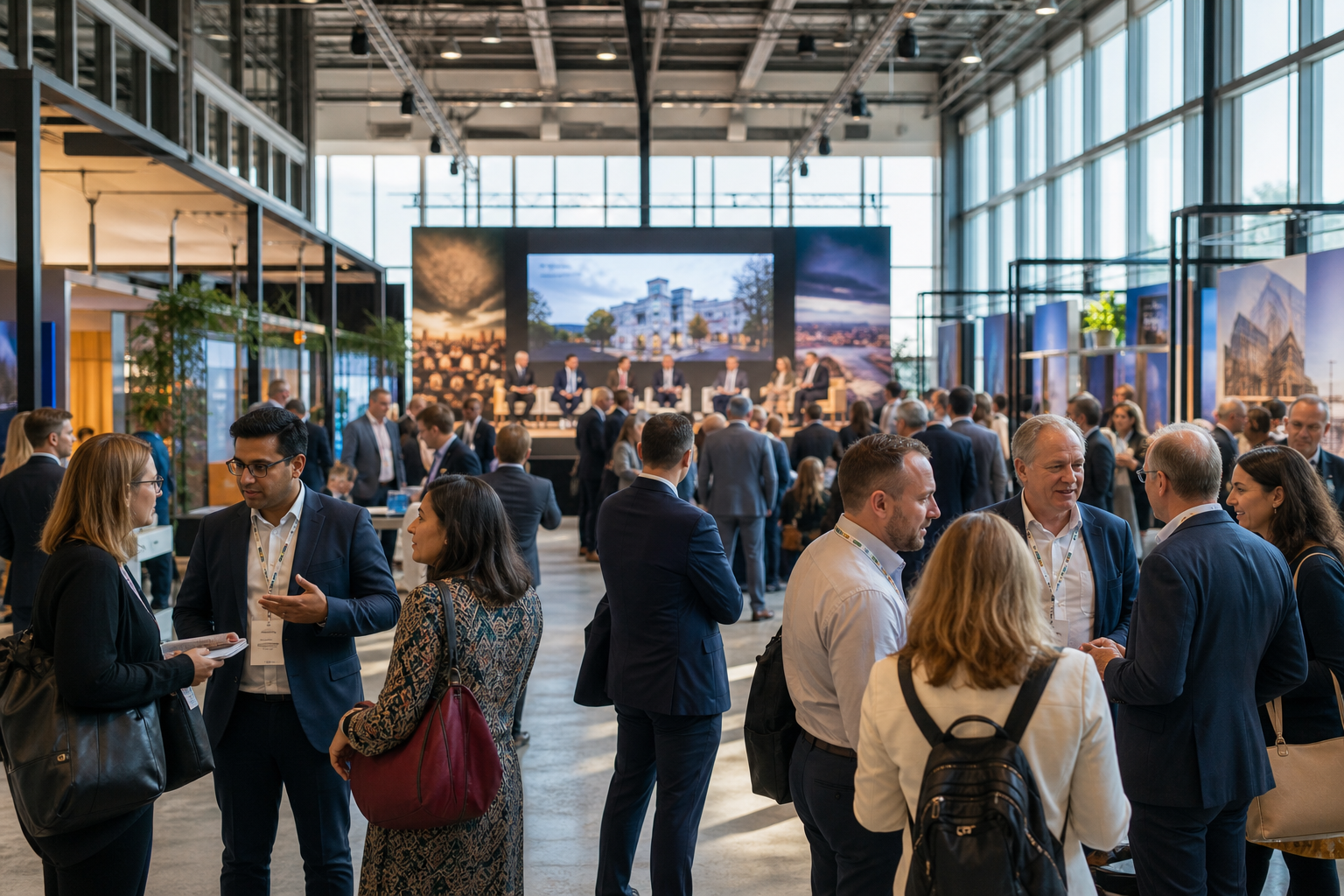
AI may reduce the time spent on certain tasks, but it could increase the importance of the moments when people come together. The workplace must make those moments count.
.jpg?width=4800&height=2700&name=AI%20%26%20Technology%20Whitepaper%20(7).jpg)
Greater Intelligence Requires Stronger Governance
AI also introduces questions that cannot be ignored.
Workplace and occupancy data can be sensitive. Organisations need clear policies covering what information is collected, why is it required, how it is stored and who can access it. Employees must understand the difference between using data to improve the workplace and using it to monitor individuals.
AI generated information must also be treated with appropriate scrutiny. A confident output is not necessarily an accurate one. Technical, commercial and compliance related decisions still require review by experienced professionals.
Download your complimentary copy of the Impact of Artificial Intelligence Report for the latest insights into how AI is reshaping business strategy, workplace experience and the built environment. Explore emerging trends, expert commentary and practical guidance to help you make informed decisions about your people, property and future business strategy.