Every year, Clerkenwell Design Week 2026 acts as a real-time snapshot of where workplace design is heading, but this year felt different.
The conversations across showrooms, installations and panel discussions moved beyond aesthetics alone. The industry is now asking tougher, more strategic questions:
- How do workplaces genuinely perform?
- How do offices adapt faster?
- How do we create spaces people actively chose to use?
- How do design decisions support business strategy, culture and wellbeing simultaneously?
Across the talks, exhibitions and showroom activities, one thing became clear: workplace design in 2026 and 2027 will be less about trend’s sake, and more about measurable human performance, adaptability and long-term value.
For workplace strategists, occupiers and commercial landlords alike, Clerkenwell confirmed that the office is evolving into a more intelligent, flexible and experienced environment.
The Biggest Workplace Design Trends We Saw at Clerkenwell Design Week
1. Circular Design is Becoming Commercially Essential
Sustainability was no longer treated as a standalone ESG conversation. It has become directly linked to operational efficiency, lifecycle cost and future asset value.
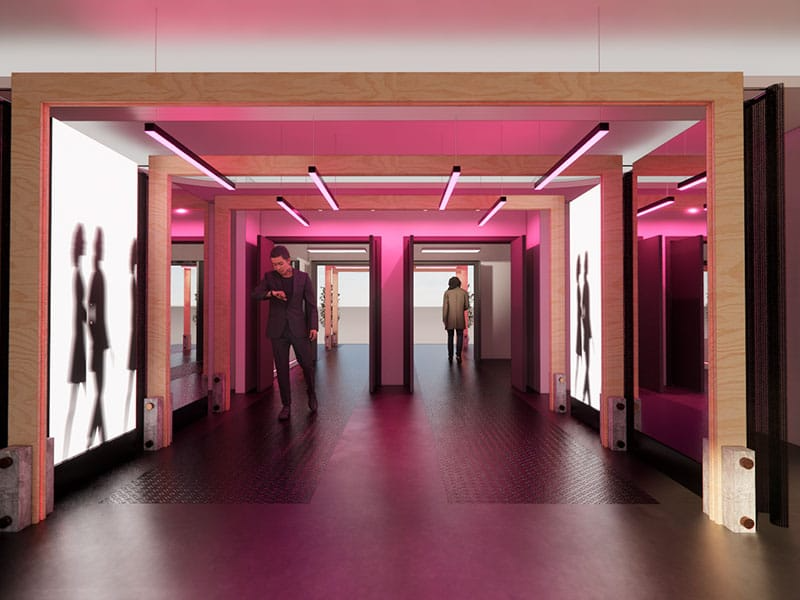
Across CDW, circularity dominated conversations around materials, furniture specification and workplace fit-outs. Installations built from reclaimed scaffolding, recycled plastics and reconfigured furniture systems demonstrated how low-carbon thinking is becoming embedded into mainstream workplace design.
The key shift for 2027 is this:
Clients are no longer simply asking “Is this sustainable? ” They’re asking “can it adapt, evolve and last longer? ”
This is significantly changing workplace strategy and fit-out thinking:
- Modular furniture systems over fixed solutions.
- Demountable partitioning.
- Reusable Cat A infrastructure.
- Flexible power and data integration.
- Material passports and traceability.
- Designing for disassembly rather than replacement.
For workplace strategists, occupiers and commercial landlords alike, Clerkenwell confirmed that the office evolving into a more intelligent, flexible and experience-led led environment.
2. Acoustic Design Has Moved to the Centre of Workplace Strategy
One of the strongest themes across Clerkenwell was the growing importance of sound and sensory experience within the office.
For years, workplace conversations focused heavily on visual aesthetics. In 2026, acoustics became a core business-performance discussion.
Why?
Because organisations are recognising that poor acoustic environments directly impact:
- Concentration
- Cognitive fatigue
- Productivity
- Neurodivergent inclusion
- Meeting quality
- Employee wellbeing
Several talks explored how acoustic zoning, sensory ergonomics and adaptable soundscapes are becoming fundamental to evidence-based workplace design.
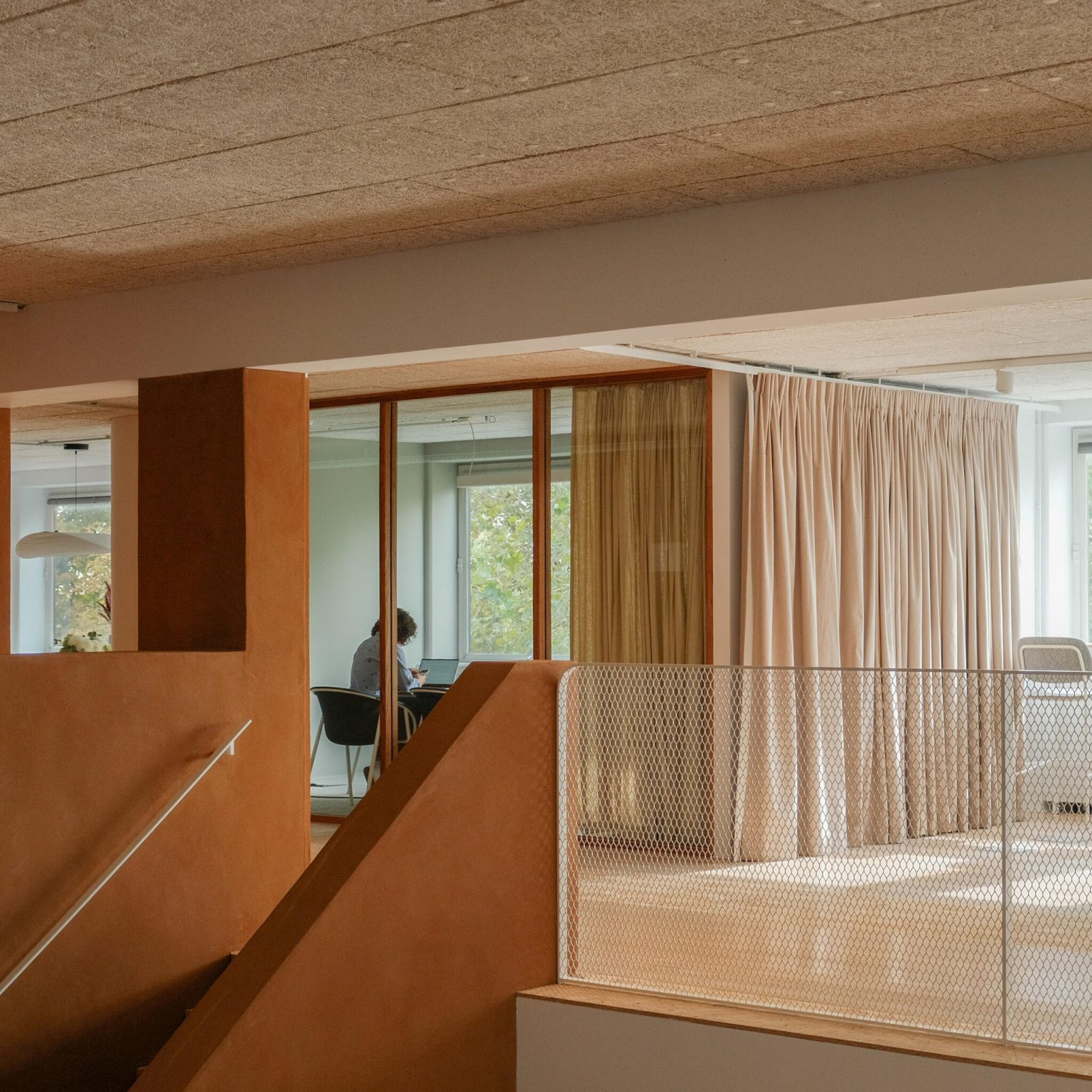
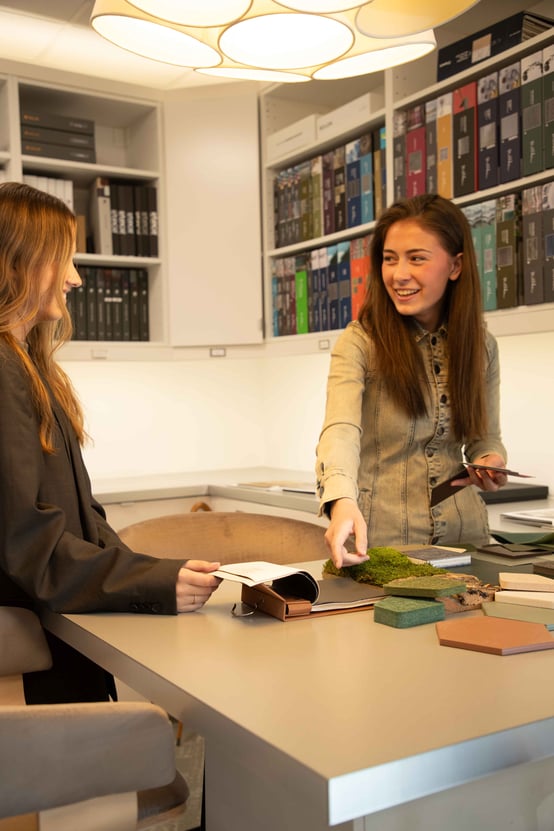
Acoustic pods, wool felt systems, biophilic acoustic materials and layered zoning solutions featured heavily throughout the showrooms.
What this means for 2027 workplaces:
The best offices will not simply look good, they will feel calm, intuitive and cognitively supportive.
This aligns closely with the wider shift forward:
- Neuroinclusive workplace design.
- Wellbeing led office fit-outs.
- Human-centric workplace strategy.
- Sensory workplace planning.
3. Flexibility is No Longer About Hybrid Working Alone
For the last few years, flexibility largely meant hybrid working.
At Clerkenwell, the conversation matured.
Now, flexibility means:
- Rapidly reconfigured spaces.
- Adaptable workplace infrastructure.
- Multi-functional environments.
- Scalable occupancy models.
- Shorter lifecycle interventions.
- Futureproof workplace planning.
- Uncertain headcount growth.
- Changing team structures.
- Evolving AI integration.
- Shifting collaboration behaviours.
Manufacturers and workplace brands heavily showcased modular workplace systems capable of evolving without requiring major construction works.
This is becoming particularly important as organisations continue to face:
The Workplace Strategy Implication:
By 2027, the most successful offices will be designed around change itself.
Organisations are increasingly recognising that rigid workplaces age faster, operationally, culturally and commercially.
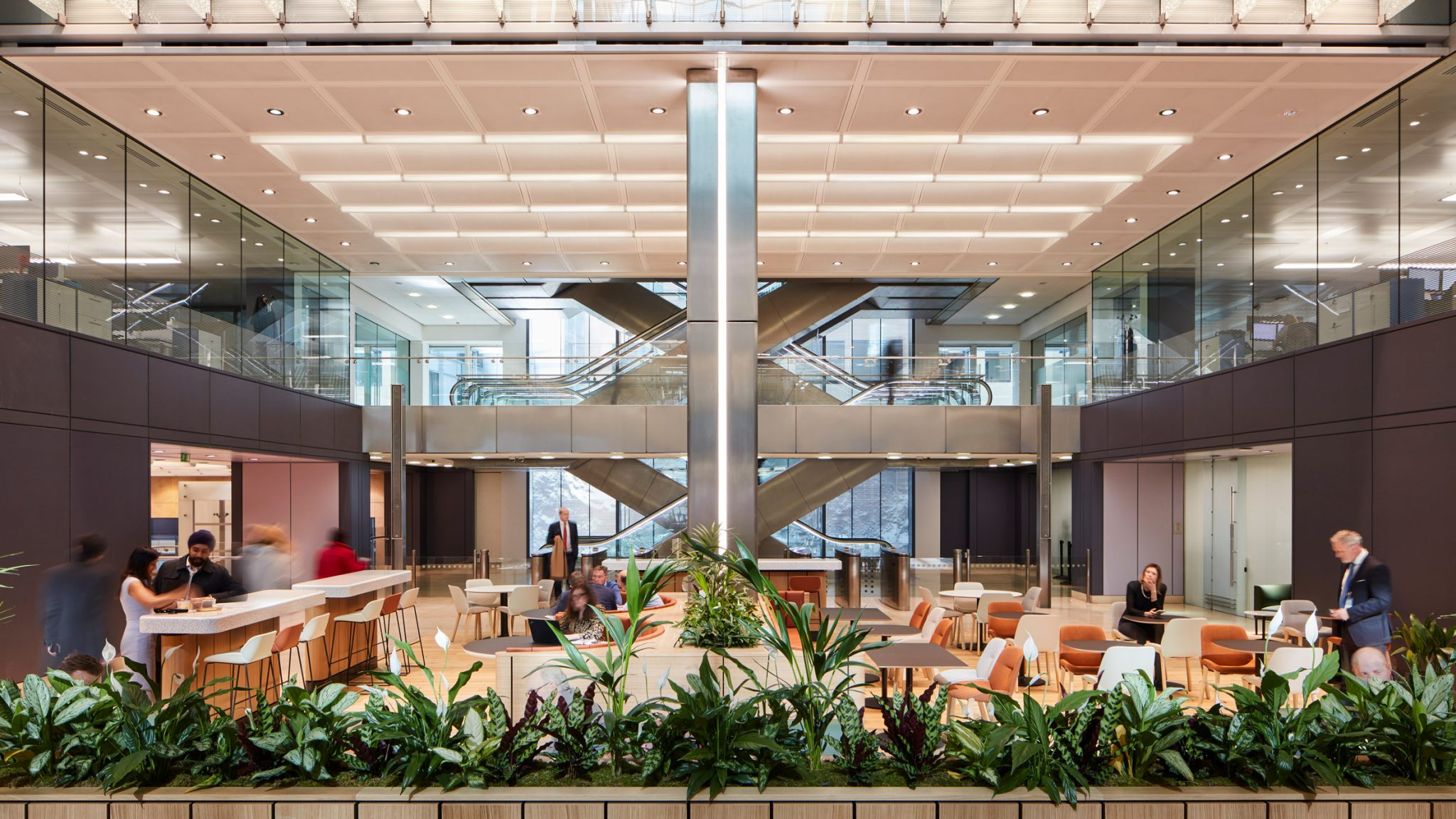
4. AI is Beginning to Influence Physical Workplace Design
Artificial intelligence was a recurring topic across multiple talks and showroom discussions.
Interestingly, the focus was not on futuristic concepts or replacing people.
Instead, the discussion centred around how AI can improve:
- Workplace utilisation analysis.
- Employee behavioural insights.
- Environmental controls.
- Predictive maintenance.
- Occupancy planning.
- Energy optimisation.
- Smart workplace technology.
- Responsive office environments.
- Sensor-led workplace planning.
- Data-driven office fit-outs.
- Predictive workplace strategy.
This represents a major evolution in workplace strategy.
For years, office design decisions were often driven by assumptions or anecdotal feedback. AI-enabled workplace analytics are now allowing businesses to make far more evidenced-based decisions.
We expect to see significant growth in:
The office of 2027 will increasingly behave like a living system, continuously learning and adapting to user behaviour.
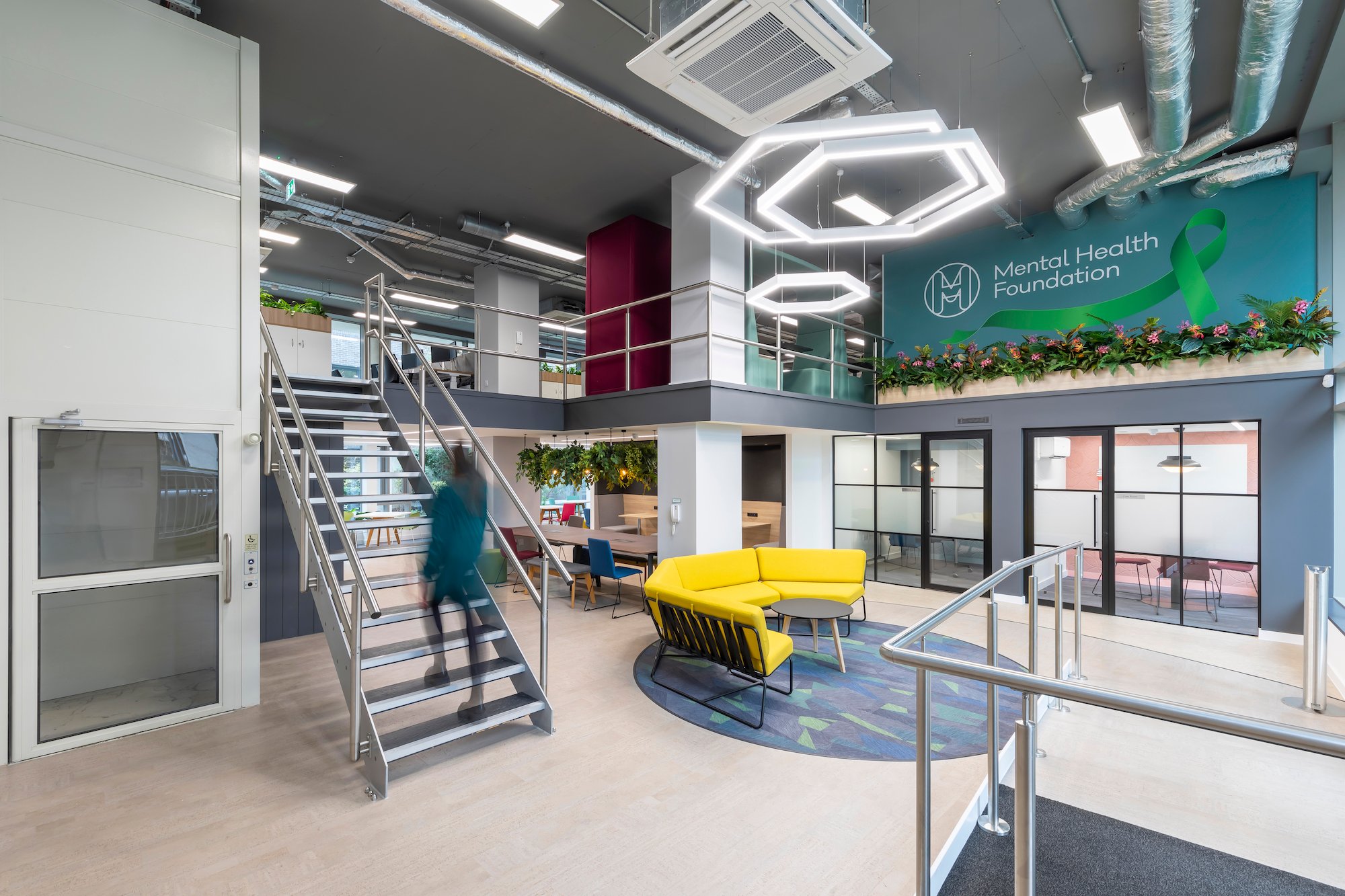
5. Hospitality-led Workplace Design Continues to Grow
Another major trend was the continue blending of hospitality, residential and workplace design principles.
But importantly, this has moved beyond superficial “hotel-style” aesthetics.
The real focus is now:
- Emotional experience
- Comfort
- Warmth
- Psychological safety
- Social interaction
- Destination-based workplaces
- Richer textures
- Layered materials
- Tactile finishes
- Softer forms
- Residential inspired furniture
- Biophilic integration
- Warmer colour palettes
Across Clerkenwell, there was a clear move forward:
Brands increasingly showcased environments designed to feel less institutional and more human.
Why this matters strategically:
Employees now compare workplace experience against every other experience in their lives, hospitality, retail, wellness and home environments included.
The office is no longer competing against another office.
Its competing against choice.
.png?width=798&height=418&name=Untitled%20design%20(42).png)
What Clerkenwell Design Week Tells Us About Workplace Design in 2027
The overarching message from Clerkenwell Design Week was clear:
The future workplace will be:
- More adaptive
- More evidence-based
- More sensory aware
- More hospitality led
- More sustainable
- More data informed
- More human-centric
Most importantly, workplace design is becoming increasingly tied to business performance.
Frequently Asked Questions About Workplace Design Trends 2026–2027
What are the biggest workplace design trends for 2027?
The biggest workplace design trends include adaptable workplaces, circular design, acoustic wellbeing, AI-driven workplace analytics, neuro-inclusive design and hospitality-led office environments.
Why is flexibility important in workplace strategy?
Flexible workplaces help organisations adapt to changing headcounts, hybrid working patterns and evolving business needs while reducing long-term fit-out waste and operational costs.
What is evidence-based workplace design?
Evidence-based workplace design uses data, utilisation analysis, employee feedback and behavioural insights to inform workplace strategy and office design decisions.
How is AI changing workplace design?
AI is helping businesses optimise occupancy, workplace utilisation, environmental controls and employee experience through predictive analytics and real-time workplace data.
Why are acoustics becoming more important in offices?
Poor acoustic environments negatively affect concentration, wellbeing and productivity. Acoustic workplace design now plays a major role in neuro-inclusive and human-centric office planning.
What is circular workplace design?
Circular workplace design focuses on reusable materials, modular systems and adaptable infrastructure to reduce waste and extend the lifecycle of office fit-outs.
Why is hospitality influencing office design?
Employees increasingly expect workplaces to provide comfort, experience and emotional connection similar to hospitality and residential environments. This helps improve engagement and workplace attendance.
What is workplace strategy?
Workplace strategy aligns office design, business goals, employee behaviours and operational requirements to create high-performing work environments.