 ·
4 minute read
·
4 minute read
When the pandemic hit, we all got a taste of what it was like to work from home. We enjoyed the freedom, flexibility, privacy and comfort.
Whatever the preference, one thing became clear: there's no single way people work.
A workplace isn't just somewhere to put desks. Through thoughtful workplace strategy and design, it should support the way people actually work, helping them focus, collaborate and feel comfortable throughout the day.
So, what are we still getting wrong about office design?
The needs of the workplace
It’s easy to design a workplace around what leadership wants, but that's only part of the picture.
The most successful workplaces balance business goals with the needs of the people who use them every day. After all, they’re the ones turning opportunities into projects and ideas into reality.
A good place to start is by looking ahead. Understanding where the business wants to be helps shape a workplace that can grow alongside it.
A future-proof office isn't just about flexible furniture or the latest technology. It's about creating an environment that reflects the company's culture, supports its people and adapts as the business evolves. That's where a considered workplace strategy becomes valuable, ensuring decisions are based on long-term goals rather than immediate needs.
One of the biggest mistakes businesses make is designing for employees rather than with them. Employees should also have a say in the design. They don't need to make every decision, but involving them in meaningful ways helps people feel more connected to the workplace and encourages better adoption once the space is complete.
The way we work has changed
Hybrid working didn't just change where we work. It changed what we expect from the workplace. The way we sit, collaborate and move around the office has changed too.
After experiencing the comfort and privacy of working from home, many people now expect those same qualities in the workplace.
Sometimes they need somewhere quiet to concentrate. Sometimes they need privacy for a call or meeting.
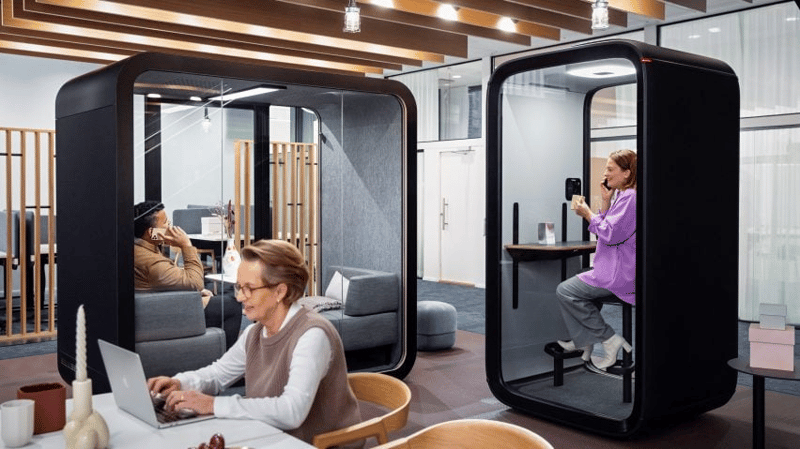
Headphones worked. Until they didn’t. That’s why acoustic solutions and office phone booths have become such valuable additions to modern workplaces.
That's why acoustic solutions and office phone booths have become valuable additions to modern workplaces, creating spaces for focused work, private conversations and virtual meetings without expanding the office footprint.
The conversation is no longer about fitting more desks into a floorplate. It's about giving people more choice in how they use the space available.
Design for how people actually work
One of the most common assumptions in workplace design is that an empty space is an unnecessary space.
Take a meeting room, for example. It might only be occupied once during the day, but perhaps four different teams tried to book it at the same time, and only one managed to get it.
The room wasn't underused. It simply wasn't available when people needed it. This is where workplace analytics become so valuable.
Good workplace strategy relies on evidence rather than instinct. This is where workplace analytics become so valuable.
Rather than relying on assumptions, businesses can understand exactly how their workplace is being used. Data often reveals patterns that aren't immediately obvious, such as too many desks, not enough collaboration spaces or meeting rooms that are consistently needed.
The goal isn't simply to create an office that works today, but one that continues supporting the business as it evolves.
Design for privacy and connection
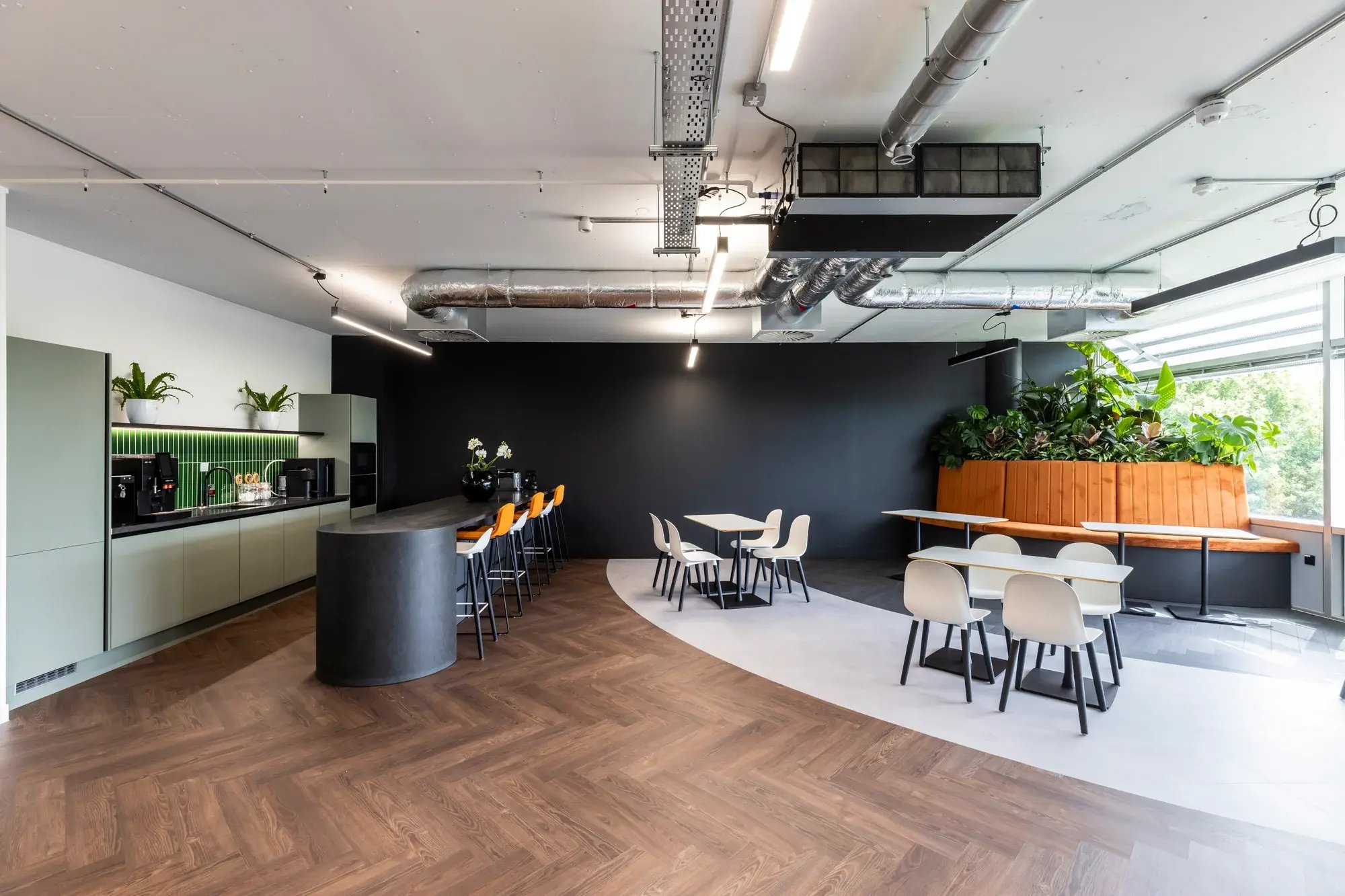
Working from home changed expectations around privacy, and that's something many employees don't want to lose.
Privacy isn't about shutting people away. It's about giving people the choice to focus when they need to and collaborate when they want to. The best workplaces create that balance naturally.
Mike Walley gave an example where in a new office design, there were a group of employees who needed to have their usual meeting. On most days, they would turn around in their seats and have the meeting at their desks. The new office design included meeting rooms on a lower floor. Mike Walley decided to check in on the employees and the new office to see how it was working. When he walked into the office, he saw the group right in the centre of the room, having their meeting.
The lesson wasn't that the design had failed. It was that people will almost always choose the path of least resistance. Great workplaces are designed around those behaviours rather than trying to change them.
Meeting spaces should support technology, encourage better conversations and allow teams of different sizes to work comfortably together.
More often than not, a simple, human-centred design wins.
Don’t forget change management
Imagine arriving at work to find your office chair has been replaced overnight. Most people would spend half the morning adjusting the height, moving the backrest and figuring out what all the levers do before getting any work done.
Now imagine that happening across an entire workplace. That's exactly why change management is so often underestimated.
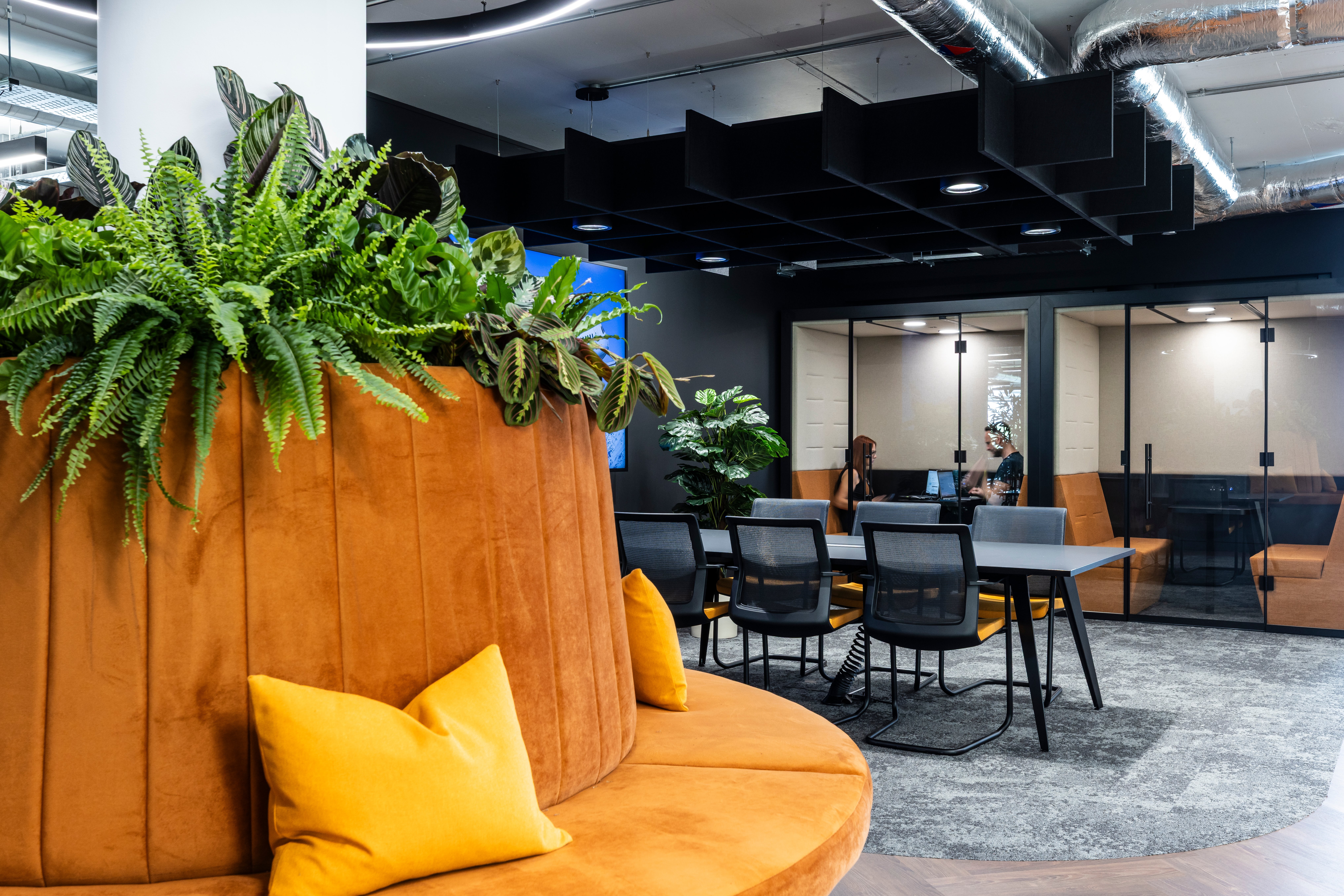
Mike Walley shared a great example of a company that kept asking his team to remove their new modular seating and replace it with folding chairs every time they held a meeting.
The furniture wasn’t the problem. Nobody had explained how it was supposed to work. One simple training session completely changed how the space was used.
The success of a workplace isn't measured on move-in day. It's measured by how well people use it six months later.
Good workplace design doesn't end when the furniture arrives. Helping people understand and adapt to a new environment is just as important.
That's why change management is often the difference between a workplace that looks good and one that actually works.
.png?width=3360&height=1890&name=Header%20Insights%20tile%20(24).png)
Design with purpose, not just ideas
Every element of a workplace should earn its place. If it doesn't solve a problem or improve the way people work, it's worth asking whether it belongs there at all.
The modular seating in the example above was a clever idea, but for that particular engineering team, it added complexity rather than value. They simply wanted to walk into the room, sit down and start their meeting.
Good workplace design isn't about adding more. Quite often, it's about removing unnecessary complexity. People will always use a space in the way that feels most natural to them.
There isn't a single formula for designing a successful workplace. Every organisation is different. But after working with businesses across a wide range of sectors, the same principles appear time and time again.
Key lessons for better workplaces
- Balance business goals with the needs of employees.
- Start with a clear budget and realistic expectations.
- Listen to leadership, but also listen to the people using the space every day.
- Turn those conversations into a clear design brief.
- Never assume people instinctively understand a new workplace.
- Support change through communication and training.
- Create spaces that solve real problems, not just spaces that look impressive.
The future workplace
The lean office is quickly becoming the norm. Less space, more people and fewer days spent in the office each week.
Businesses will continue to look for greater efficiency, but efficiency should never come at the expense of experience. Nobody wants to spend their day in a workplace that feels like a battery farm.
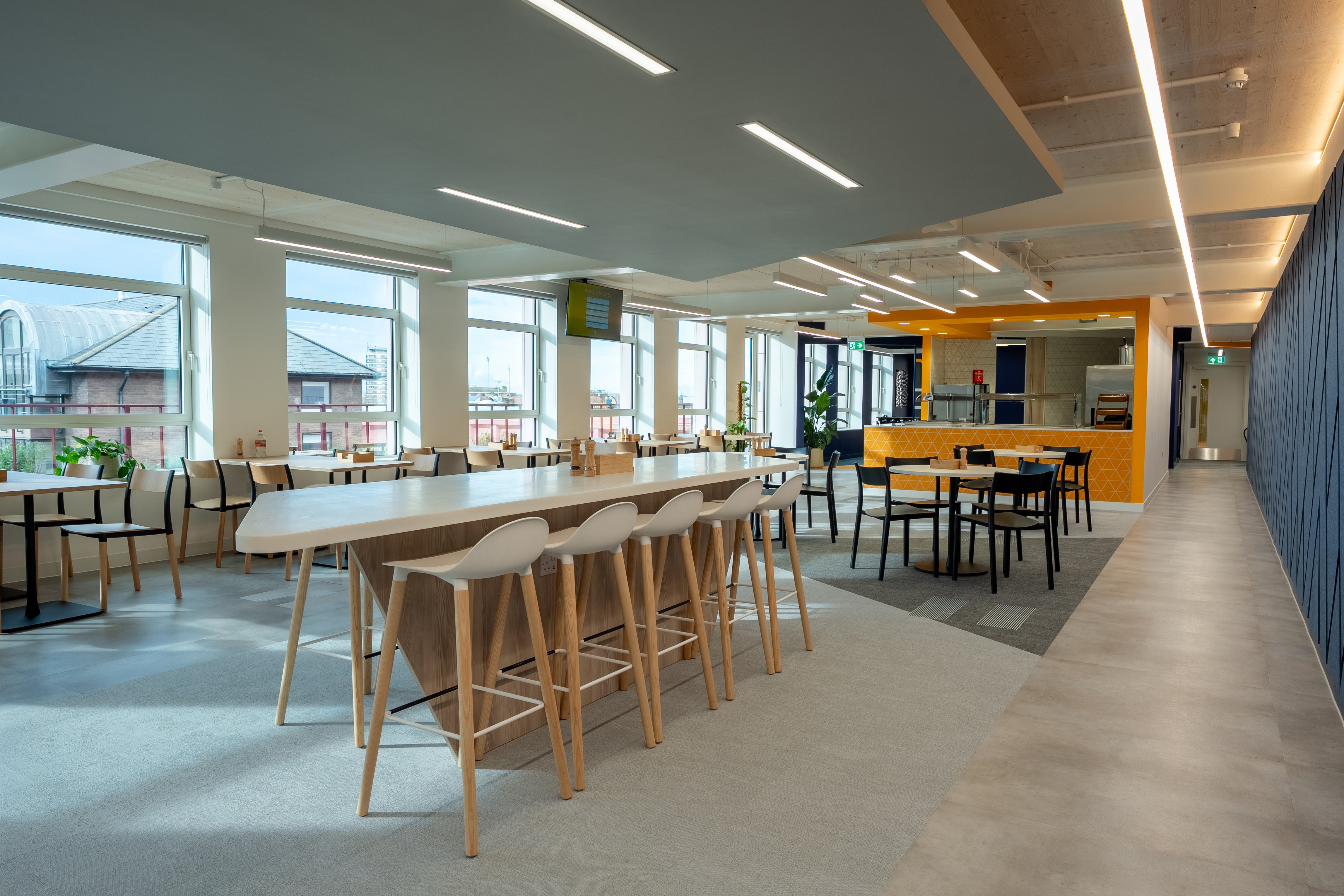
The offices people choose to come back to are comfortable, flexible and designed around human needs.
Technology should make work easier, not more complicated, and every space should have a clear purpose.
The future workplace isn't about fitting more people into fewer square metres. It's about creating somewhere people actually want to be.
Creating that kind of workplace takes more than attractive finishes or clever furniture. It requires strategy, evidence and a clear understanding of how people work.
Design the space around the people, not the other way around.