
Workplace strategy can support employee retention by creating an environment where people feel connected, supported and able to do their best work. Rather than relying solely on return-to-office mandates, organisations can use employee feedback, workplace data and evidence-based design to understand what their people need from the office.
By balancing flexibility with purposeful opportunities for collaboration, focused work and social interaction, businesses can create workplaces that employees value. The aim isn't simply to increase attendance. It's to make time spent in the office worthwhile while supporting employee experience and long-term business objectives.
The future of work isn't simply about where people work. It's about creating an environment that supports the way they work best.
As businesses balance the need for collaboration with employee expectations around flexibility, the focus is shifting from simply increasing office attendance to understanding what makes time spent together valuable.
For organisations looking to attract and retain talent, this creates an opportunity to rethink the role of the office and how workplace strategy can support both employees and long-term business objectives.
Flexible working and employee retention: what does the evidence show?
Research from the Chartered Institute of Personnel and Development (CIPD) highlights the relationship between workplace flexibility and employee retention. Its July 2025 survey of 2,000 employers and 5,000 employees found that 3% of UK employees reported leaving a job in the previous year due to a lack of flexible working.
The same research found that 53% of employees felt pressure to spend more time in the workplace. At the same time, employers identified both advantages and challenges associated with hybrid working, including its effects on talent retention, management and organisational culture.
For businesses developing a workplace strategy, these findings reinforce the importance of considering employee expectations alongside operational requirements, collaboration and organisational performance.
.jpg?width=2000&height=1499&name=Sapient-1-1%20(1).jpg)
What should organisations consider when developing a workplace strategy to support employee retention?
01 · THE BUSINESS CHALLENGE
Why are traditional return-to-office mandates not always effective?
Requiring employees to spend more time in the office doesn't automatically mean they will feel more connected, collaborate more effectively or produce better work.
If employees return to an environment that doesn't support the way they work, businesses risk increasing attendance without improving the workplace experience.
The more useful question is why employees need to be in the office in the first place. What activities benefit from being together? Where does face-to-face interaction create value? And what does the physical workplace need to provide to support those activities?
For some organisations, defined attendance arrangements are necessary for operational reasons. However, understanding the purpose of office attendance allows businesses to develop a workplace strategy that balances employee expectations with wider business requirements.
02 · WORKPLACE STRATEGY
How can workplace strategy help improve employee retention?
Employee retention is influenced by more than salary, career progression and company policies. The everyday working environment also plays a role in how people experience their organisation.
Workplace strategy brings together employee feedback, business objectives, working patterns and physical space requirements to create an environment that supports the way people need to work.
For an HR Director, this means looking beyond office attendance and considering how the workplace supports wellbeing, collaboration, flexibility and organisational culture.
By involving employees in the process and understanding their workplace needs, businesses can make informed decisions about how their office should function and what improvements could contribute to a better employee experience.
03 · WORKPLACE DESIGN
What makes an office worth coming into?
An office needs to offer more than a desk and a meeting room. It should provide an environment where people can work effectively, connect with colleagues and access the spaces and facilities they need throughout their day.
That means balancing different working requirements. Employees need quiet environments for concentration, collaborative spaces for team activities and informal areas where conversations and relationships can develop naturally.
Acoustics, lighting, technology, temperature and workplace amenities also influence how comfortable and productive people feel.
The starting point is understanding how employees actually use the workplace. An evidence-based approach to office design allows businesses to create environments that support their people rather than relying on assumptions about what a modern office should look like.
04 · EMPLOYEE EXPERIENCE
How can businesses create meaningful moments in the workplace?
Not every activity requires employees to be physically together. However, certain interactions can benefit significantly from face-to-face communication.
Collaborative workshops, mentoring, team development and informal conversations all provide opportunities for employees to exchange ideas, develop relationships and build a stronger connection with their organisation.
Businesses should identify which activities benefit most from physical presence and consider how their workplace can support them.
This might mean creating dedicated project spaces, introducing more informal meeting areas or providing environments that bring different departments together.
When the workplace is designed around meaningful interactions, employees have clearer reasons to spend time together, rather than attending simply to meet an office attendance requirement.
05 · EVIDENCE-BASED DESIGN
How should organisations use employee feedback and workplace data?
Before making decisions about office design, businesses need to understand how their existing workplace is performing and what employees need from it.
Workplace surveys and employee interviews can reveal what people value, which aspects of their working environment create frustration and how they would prefer to use the office.
Utilisation studies and occupancy data provide another perspective, showing which spaces are used regularly, which are underutilised and where additional capacity may be required.
Combining these findings allows organisations to identify gaps between employee expectations and the way their workplace currently functions.
This evidence can then inform decisions about space allocation, workplace zoning, collaboration facilities and the overall office environment, ensuring that investment is directed towards improvements that respond to genuine business and employee needs.
06 · MEASURING SUCCESS
How can businesses measure whether their workplace strategy is working?
A successful workplace strategy should be measured against the business objectives it was developed to support.
Before making changes, organisations should establish a baseline using employee satisfaction surveys, office attendance patterns, space utilisation and relevant HR data.
Following a workplace transformation, these measures can be reviewed to understand how employees are using the new environment and whether their experience has improved.
For businesses focused on retention, employee turnover and feedback from employees leaving the organisation can provide additional insight into the wider employee experience.
However, increased office attendance shouldn't automatically be interpreted as improved employee retention. Measuring both workplace performance and people-related outcomes provides a clearer understanding of whether the strategy is delivering its intended results.
-1.png?width=1920&height=1080&name=Podcast%20Thumbnails%20(3)-1.png)
Want to explore how workplace strategy can create a better experience for your people? Listen to our Designed to Work Podcast, where we explore employee experience, workplace data, office design and the challenges businesses face when creating workplaces that work for their people.
Workplace strategy in practice: Atlas Copco's headquarters transformation
At Habit Action, we've seen how a workplace designed around people and business requirements can change the way a building is used.
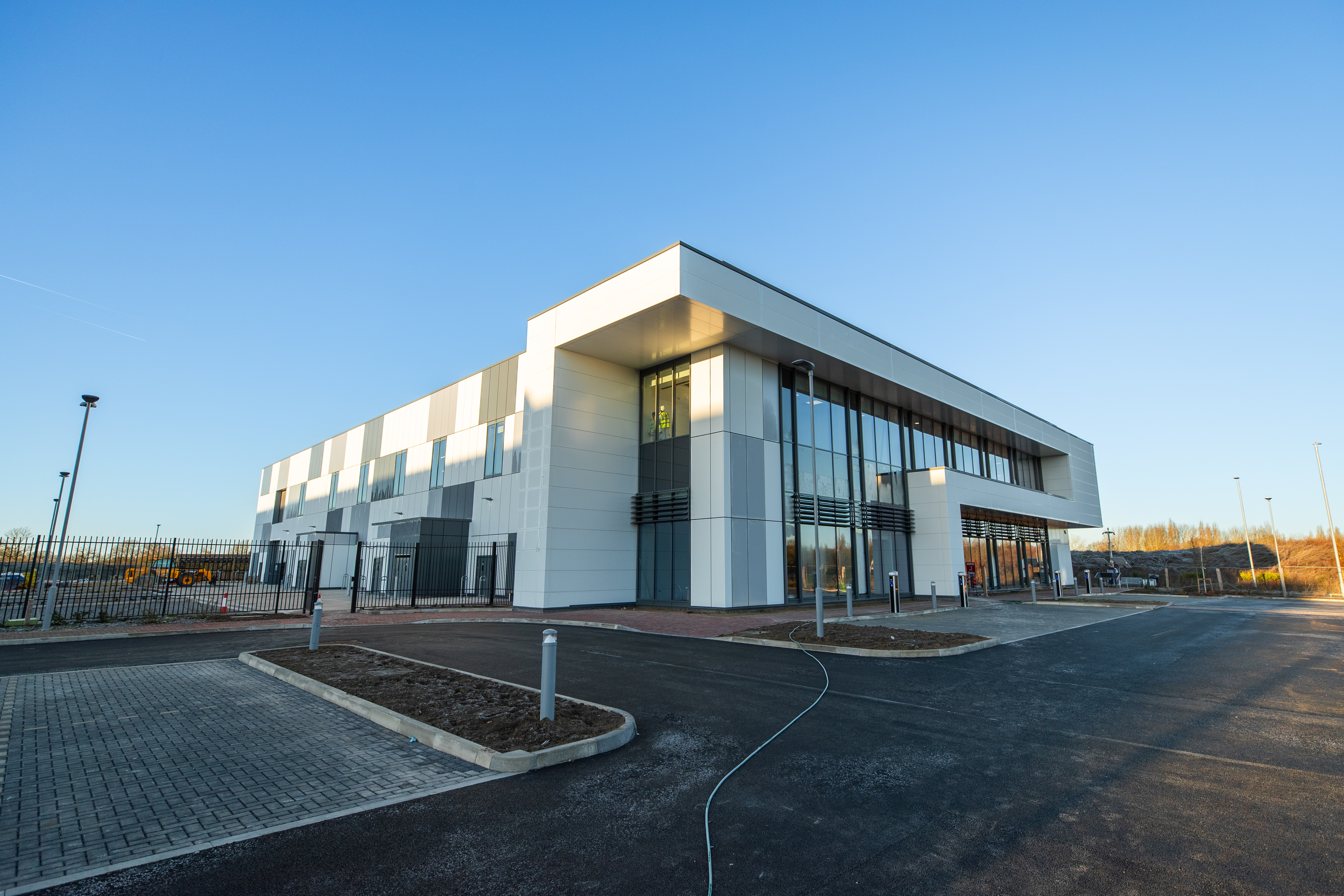
Working with Atlas Copco, we transformed its 55,000 sq ft headquarters in Hemel Hempstead, bringing together office, workshop and social environments to support the organisation's people and operations.
Following the transformation, Atlas Copco reported a 30% increase in workplace occupancy.
The project demonstrates how improving the workplace experience can contribute to greater use of the office. Increased occupancy alone does not demonstrate improved employee retention, which would need to be measured separately.
View some of our latest projects here.
FAQs
Can office design improve employee retention?
Office design can contribute to employee retention by supporting a better working experience. Environments that provide suitable spaces for collaboration, concentration, social interaction and wellbeing can address some of the frustrations employees experience at work. However, retention is also influenced by factors such as management, pay, career development and flexibility. Workplace design should therefore form part of a wider employee experience and retention strategy.
How can companies encourage employees to return to the office without enforcing attendance?
Companies can encourage voluntary office attendance by understanding why employees value spending time together and designing the workplace around those activities. This might include dedicated collaboration days, team workshops, mentoring opportunities and suitable spaces for focused work. Employee feedback and workplace utilisation data can help businesses identify what is working and where improvements are needed.
What is the difference between workplace strategy and an office attendance policy?
A workplace strategy defines how an organisation's physical environment, technology and working practices support its people and business objectives. An office attendance policy establishes expectations about when and where employees work. A workplace strategy considers the broader employee experience, including collaboration, space requirements, wellbeing and organisational culture, rather than focusing solely on how many days employees spend in the office.
What should HR Directors consider when developing a workplace strategy?
HR Directors should consider employee needs, existing working patterns, organisational culture, recruitment and retention objectives, and opportunities for collaboration. Working alongside leadership, facilities, IT and workplace design specialists helps ensure that the physical environment supports the wider people strategy. Employee surveys, workplace utilisation studies and post-occupancy feedback can provide valuable evidence for ongoing decisions.