
 ·
7 minute read
·
7 minute read
So, what actually makes a great office environment? It’s not just about how the space looks. A good workplace gives people the right spaces and conditions to focus, collaborate and take a break, while making everyday work easier. The best offices are designed around how people actually work, rather than following a set formula.
Key takeaways: 15 things that make a great office environment
- Natural Light: Make the most of daylight while managing glare and overheating.
- Ergonomic Workstations: Give people comfortable, adjustable workstations that suit different needs.
- Storage: Keep the workplace organised with practical, well-planned storage.
- Quiet Spaces: Provide areas where people can focus, take private calls or work without distractions.
- Collaboration Spaces: Create places for everything from quick huddles to team workshops.
- Breakout Spaces: Give people somewhere to relax, socialise or work away from their desk.
- Refreshment Areas: Make water, coffee and food easy to access while creating opportunities for informal interaction.
- Biophilic Design: Bring elements of nature into the workplace through planting, daylight, materials and views.
- Technology: Make everyday work easier with reliable connectivity, AV, power and meeting-room technology.
- Temperature Control: Maintain a comfortable environment with appropriate heating, cooling and ventilation.
- Communication: Use spaces and tools that help people stay connected and share information.
- Personalisation: Give people some freedom to make their workspace feel like their own.
- Wellbeing: Build comfort and wellbeing into the everyday workplace experience.
- Company Culture: Design the workplace around how your organisation and people actually work.
- Social & Flexible Spaces: Create adaptable areas for socialising, events, celebrations and shared experiences.
A QUICK LOOK AT THE 15 THINGS THAT MAKE A GREAT OFFICE...
| Element | Supports | Key Considerations |
|---|---|---|
| Natural light | Comfort & wellbeing | Glare, shading & desk position |
| Ergonomic workstations | Comfort & flexibility | Adjustable furniture & shared desks |
| Storage | Organisation | Personal storage & available space |
| Quiet spaces | Focus & privacy | Acoustic separation & location |
| Collaboration spaces | Teamwork | Different types of meetings |
| Breakout spaces | Social interaction & downtime | Comfort, location & use |
| Refreshment areas | Convenience & connection | Layout & social interaction |
| Biophilic design | Connection to nature | Planting, daylight & materials |
| Technology | Everyday productivity | Connectivity, AV, power & infrastructure |
| Temperature control | Comfort | Occupancy, zoning & user control |
| Communication spaces | Connection | Physical & digital communication |
| Personalisation | Ownership & comfort | Flexibility & visual cohesion |
| Wellbeing | Workplace experience | Light, air, acoustics & comfort |
| Company culture | Identity & ways of working | Designing around the organisation |
| Flexible social spaces | Interaction & shared experiences | How the space will actually be used |
1. How does natural light improve an office environment?
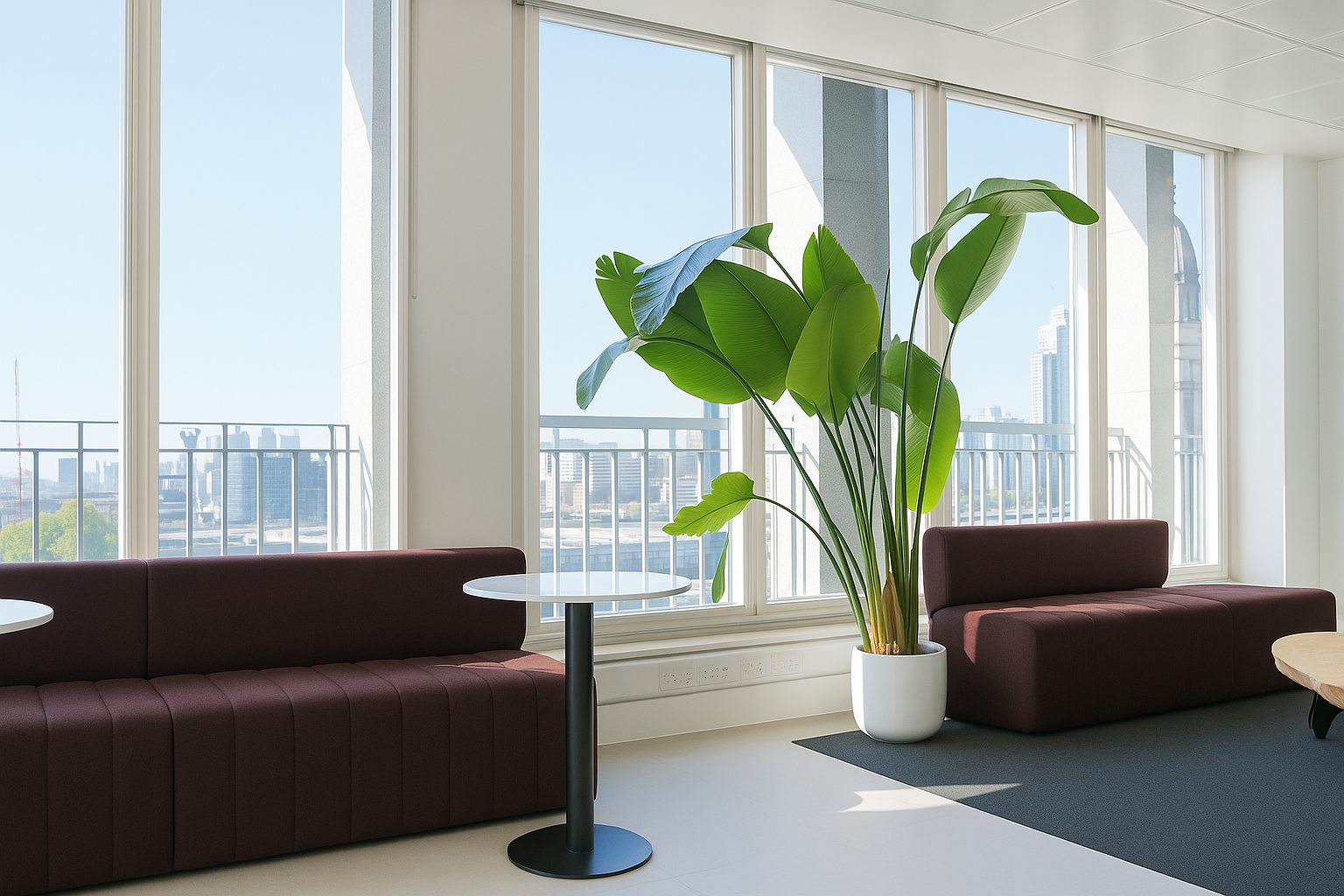
Natural light can make a big difference to how an office feels and how people experience the space. It can reduce the need for artificial lighting and provide a stronger connection to the outdoors, while thoughtful positioning of desks, glazing and shading can help manage glare and overheating.
The aim isn't simply to get as much daylight into the office as possible. It’s about getting the balance right, so people can benefit from natural light without it becoming uncomfortable to work in.
2. How important are ergonomic workstations in an office?
Ergonomic workstations help people stay comfortable and work effectively throughout the day. Adjustable desks, supportive chairs and monitor arms allow people to set up their workspace around their needs, rather than making everyone work in exactly the same way.
This becomes particularly useful in flexible workplaces, where desks may be shared between different people. Giving people some control over their setup can help make the workplace more comfortable and adaptable.
3. How does storage help create a better office environment?
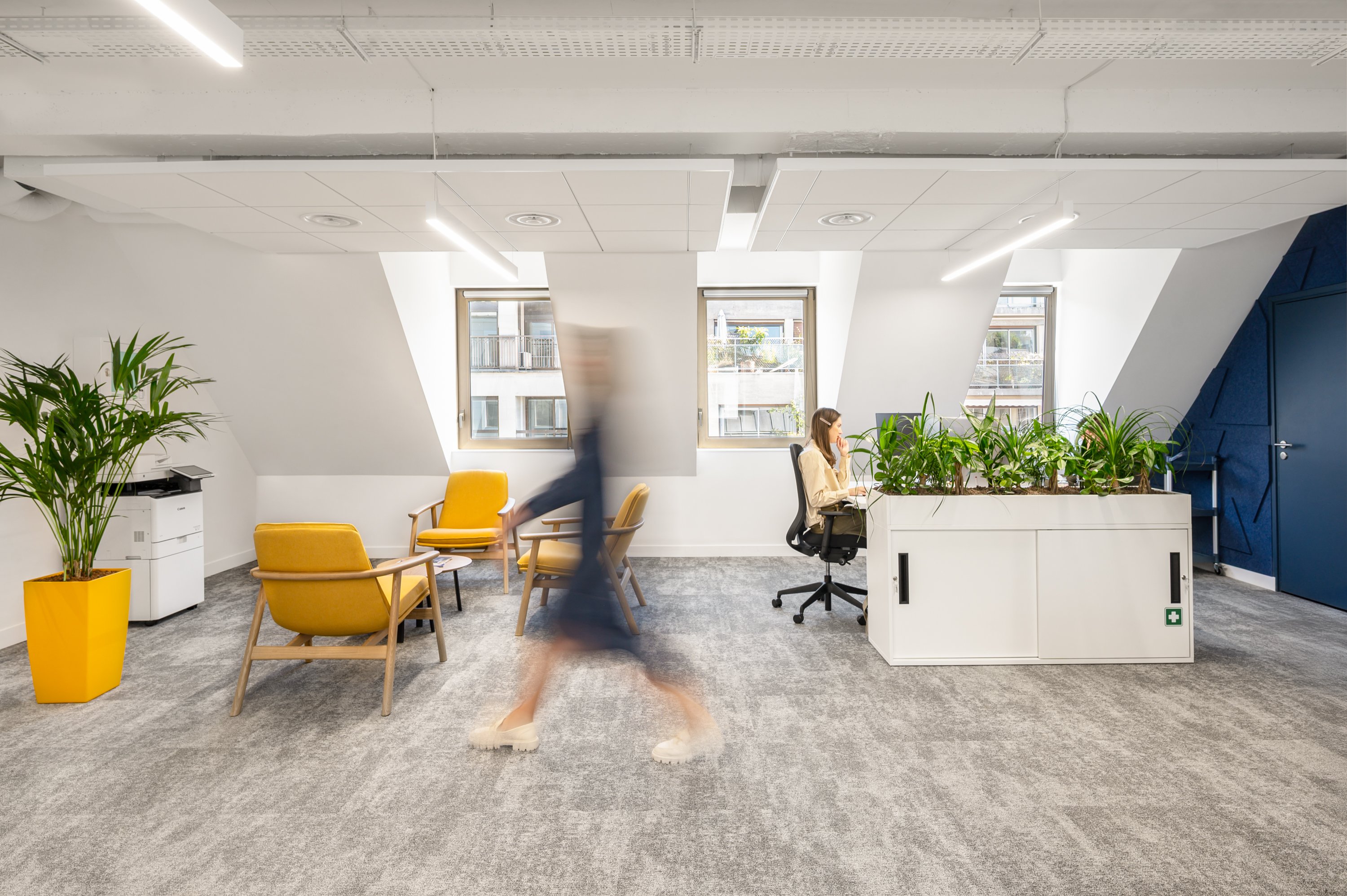
Good storage helps keep an office organised, uncluttered and easy to use. Built-in cupboards, lockers, under-desk storage and sensible cable management all have a part to play, particularly in flexible workplaces where people may not have a permanent desk.
It’s easy to overlook storage when planning an office, but getting it right makes the space feel more comfortable and work better day to day.
4. Why are quiet spaces important in an office?
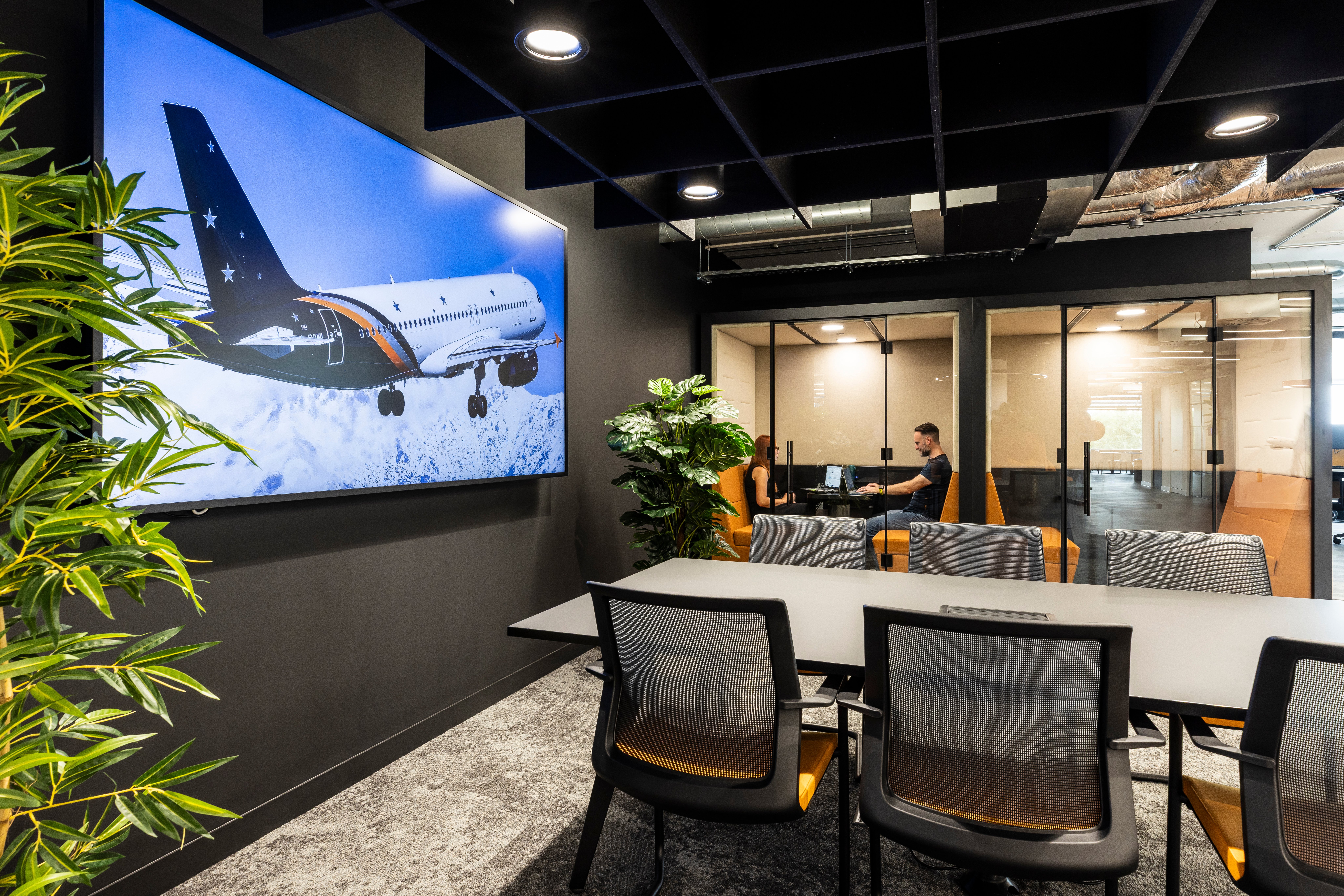
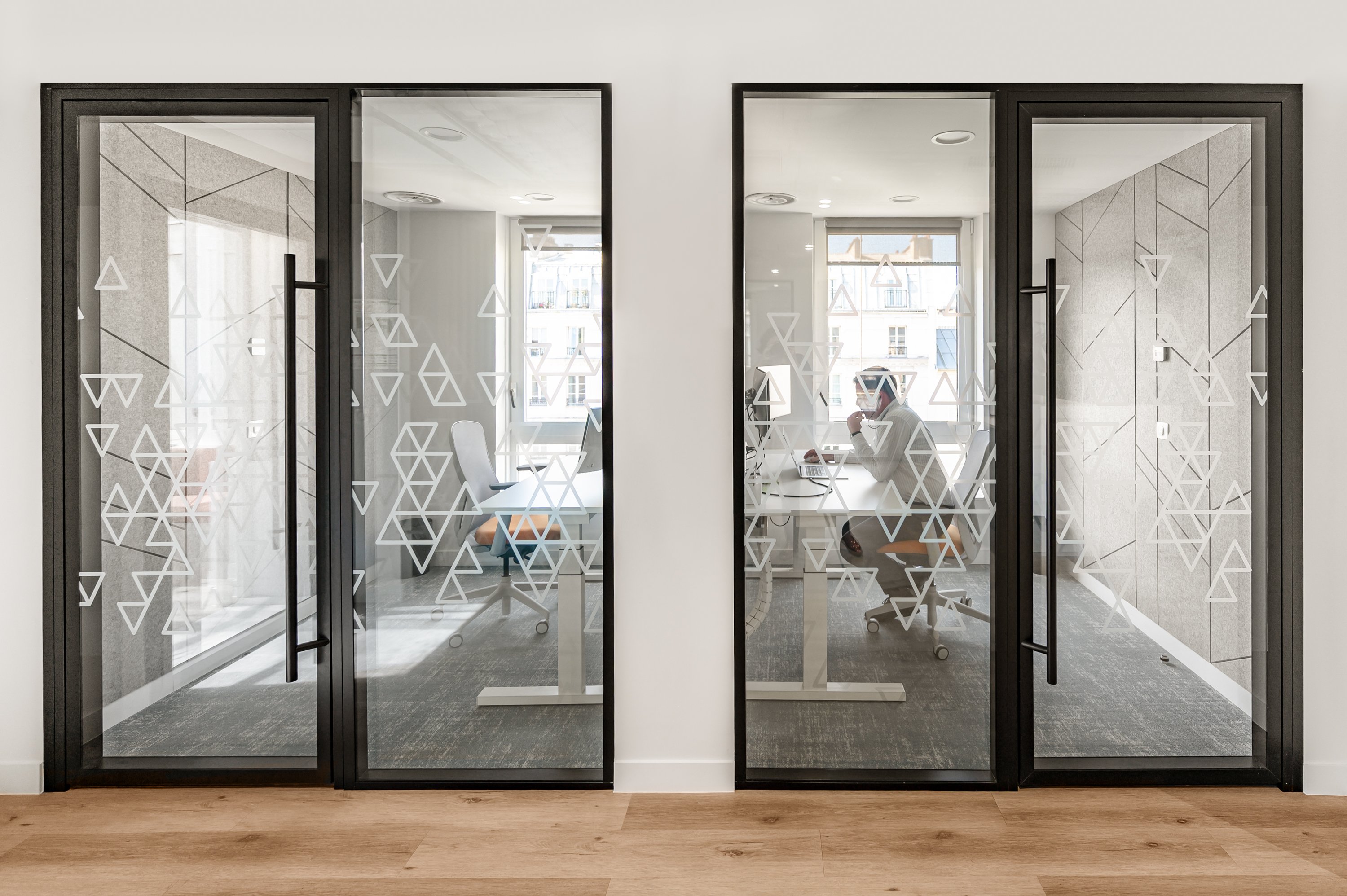
Not every task suits a busy, open-plan environment. Quiet zones give people somewhere to concentrate, take a private call or work without constant distractions. This could be a small focus room, acoustic booth or designated quiet area.
The important thing is giving people a choice of where they work. Different tasks need different environments, and a well-planned office should make it easy to move between them.
5. How can an office encourage better collaboration?
Good collaboration spaces make it easy for people to come together, whether that’s for a quick chat, a team workshop or a more formal meeting. Flexible furniture, writable surfaces and informal meeting areas can all help.
The key is having a mix of spaces that suit different types of collaboration. A workplace shouldn’t need to put every conversation into a formal meeting room, particularly when a quick huddle will do.
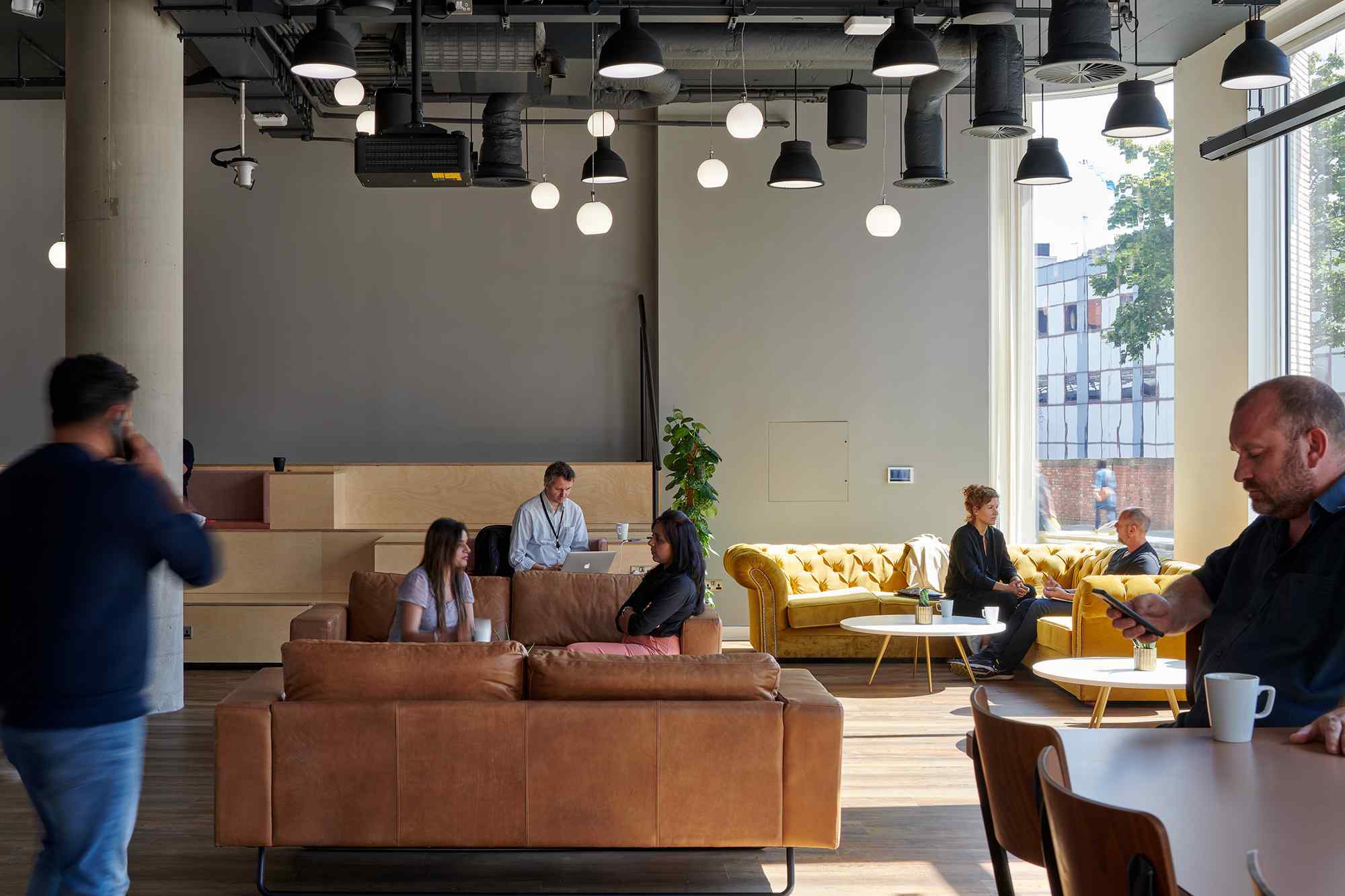
6. Why are breakout and social spaces important?
Not everything needs to happen at a desk. Breakout and social spaces give people somewhere to grab a coffee, have an informal conversation, take a break or work away from their usual workstation.
They can be as simple as comfortable seating, a café-style area or a small breakout space. What matters is creating places where people can step away from their desk and connect with others or recharge during the day.

7. Why are refreshments important in an office?
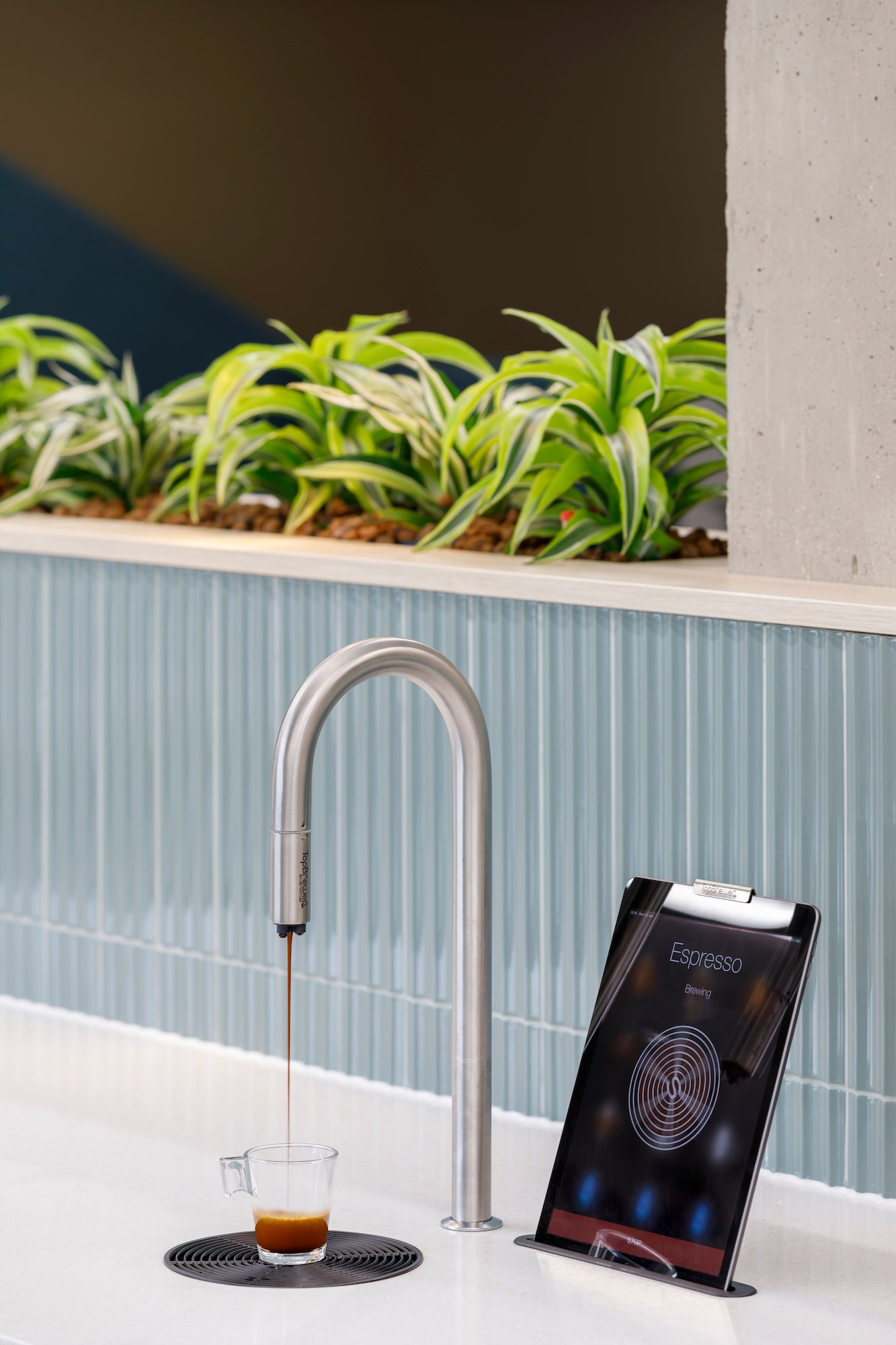
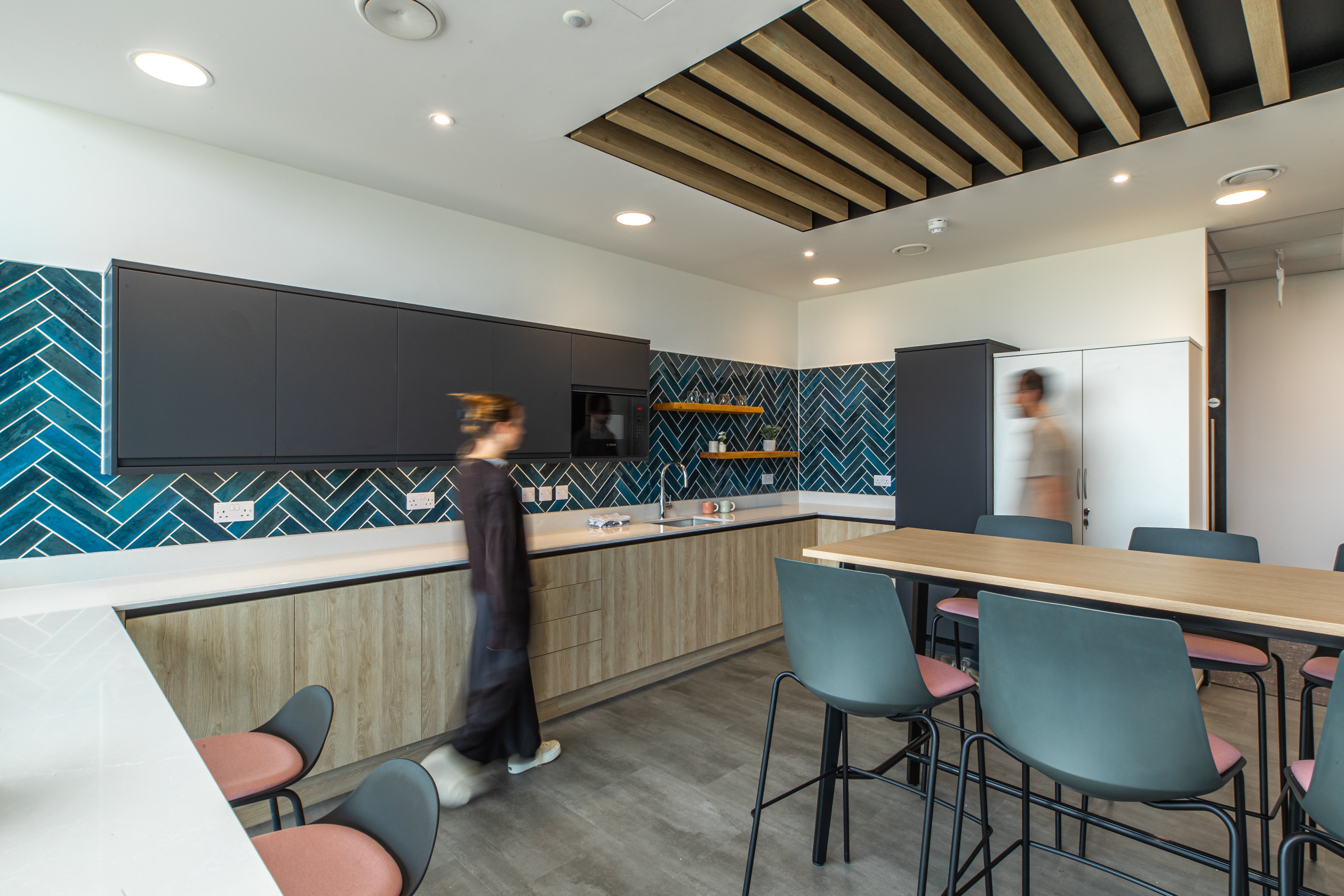
Having water, coffee and somewhere to prepare food makes the working day a little easier. But the kitchen or refreshment area can also become an important social space, giving people a natural place to step away from their desks and catch up with colleagues.
Rather than hiding these areas away, think about how they fit into the wider workplace. A well-placed kitchen or café area can encourage informal interaction and give people a reason to move around the office.
8. How can greenery improve an office environment?
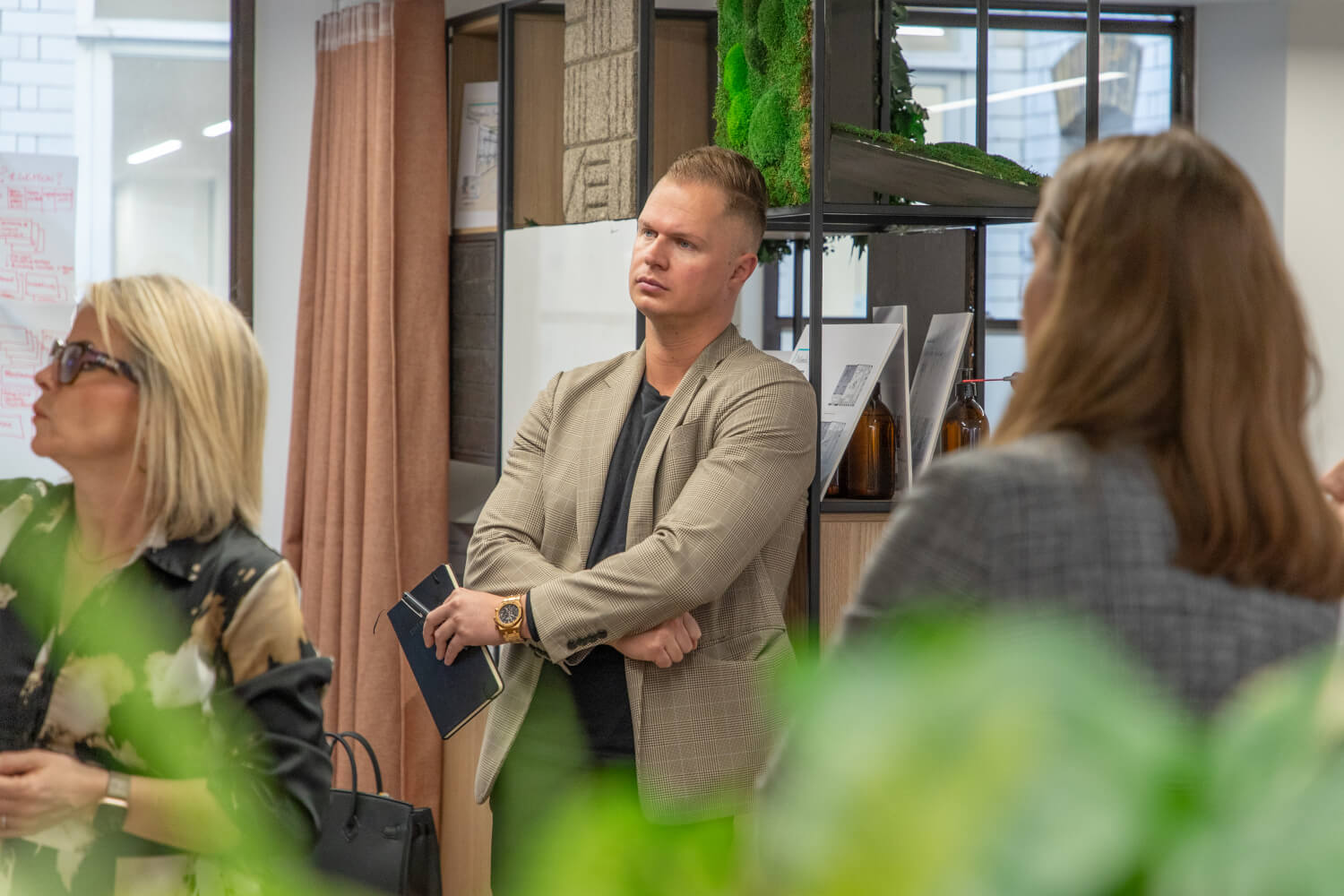
Bringing elements of nature into the workplace can make a space feel more welcoming and connected to the outdoors. Plants are an obvious way to do this, but biophilic design can also include natural materials, daylight, views outside and natural textures.
It doesn’t need to mean filling the office with plants. Even small touches can help bring a more natural feel to the workplace and create a more comfortable environment.
9. How can technology improve an office environment?
Technology should make everyday work easier, not create another problem to solve. Reliable connectivity, well-equipped meeting rooms, easy-to-use AV and enough power and charging points all help people get on with their work without unnecessary interruptions.
The important thing is to plan technology early. It needs to work alongside the layout and infrastructure of the workplace, rather than being added as an afterthought once the fit-out is already underway.
10. How important is temperature control in an office?
Being too hot or too cold can quickly become a distraction. A good office environment should maintain a comfortable temperature while recognising that different areas and people may have different needs.
Heating, cooling and ventilation should be considered alongside occupancy, room use and the building itself. Where possible, zoning and user controls can also give people more say over their immediate environment.
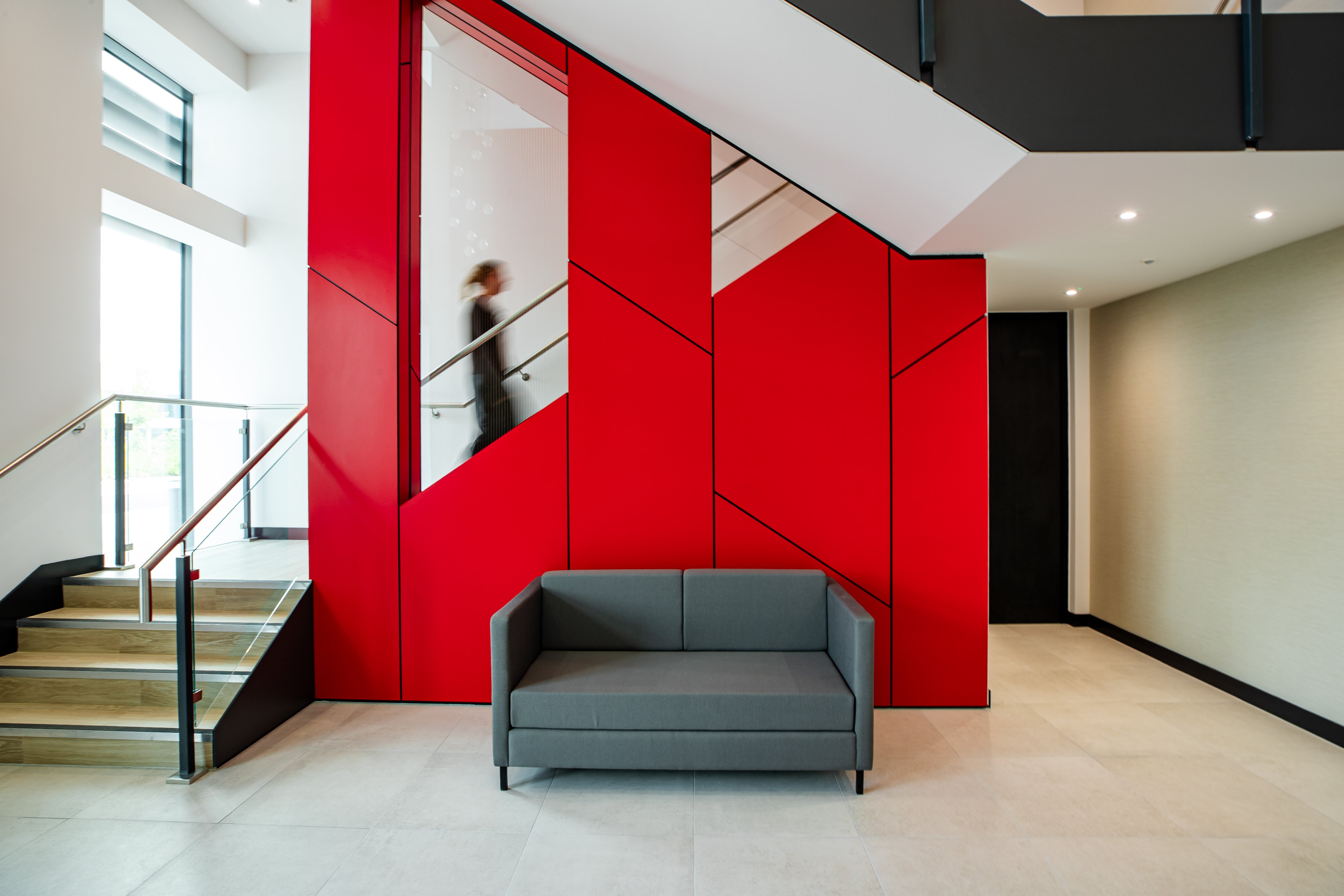
11. How can an office help people stay connected?
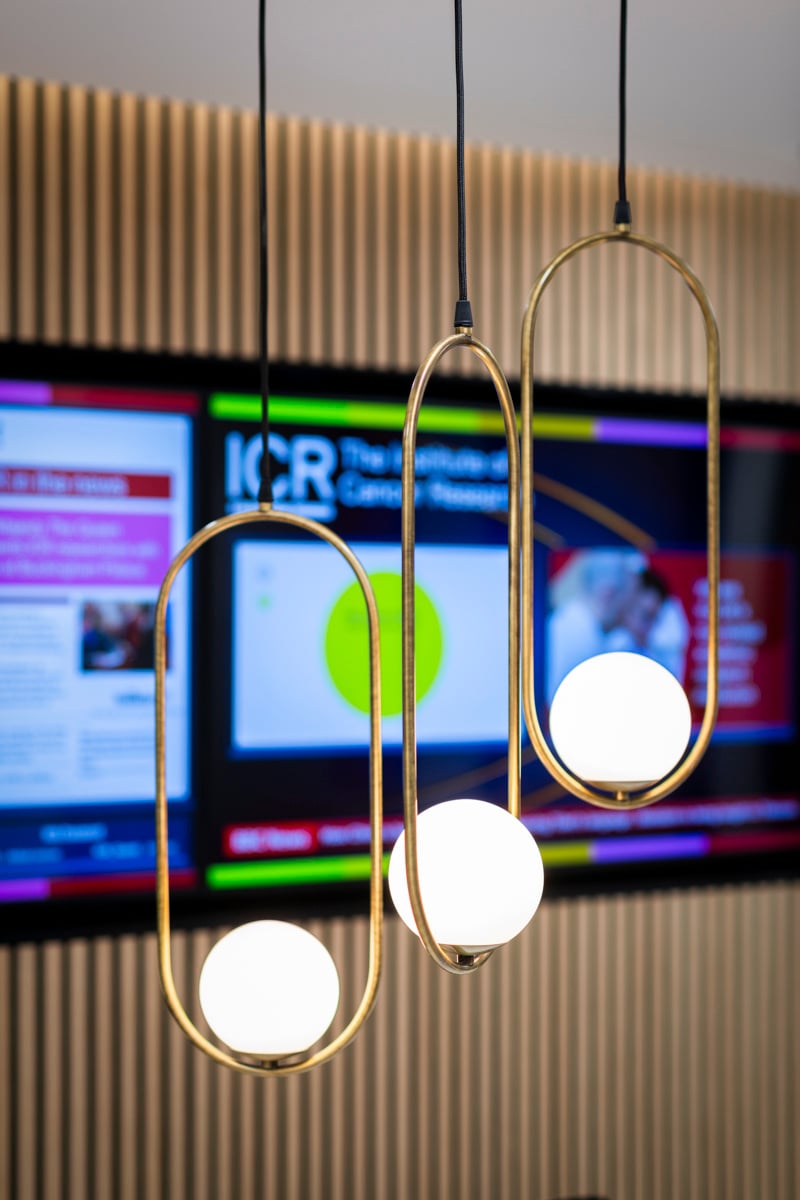
The workplace can play a useful role in keeping people connected, particularly when teams are split between the office and home. Clear signage, shared spaces, digital displays and areas for informal communication can all help people feel more connected to what’s happening around them.
It’s also worth thinking about where information is shared. A workplace that makes it easy for people to meet, talk and share ideas can support a stronger sense of connection without relying on formal communication alone.
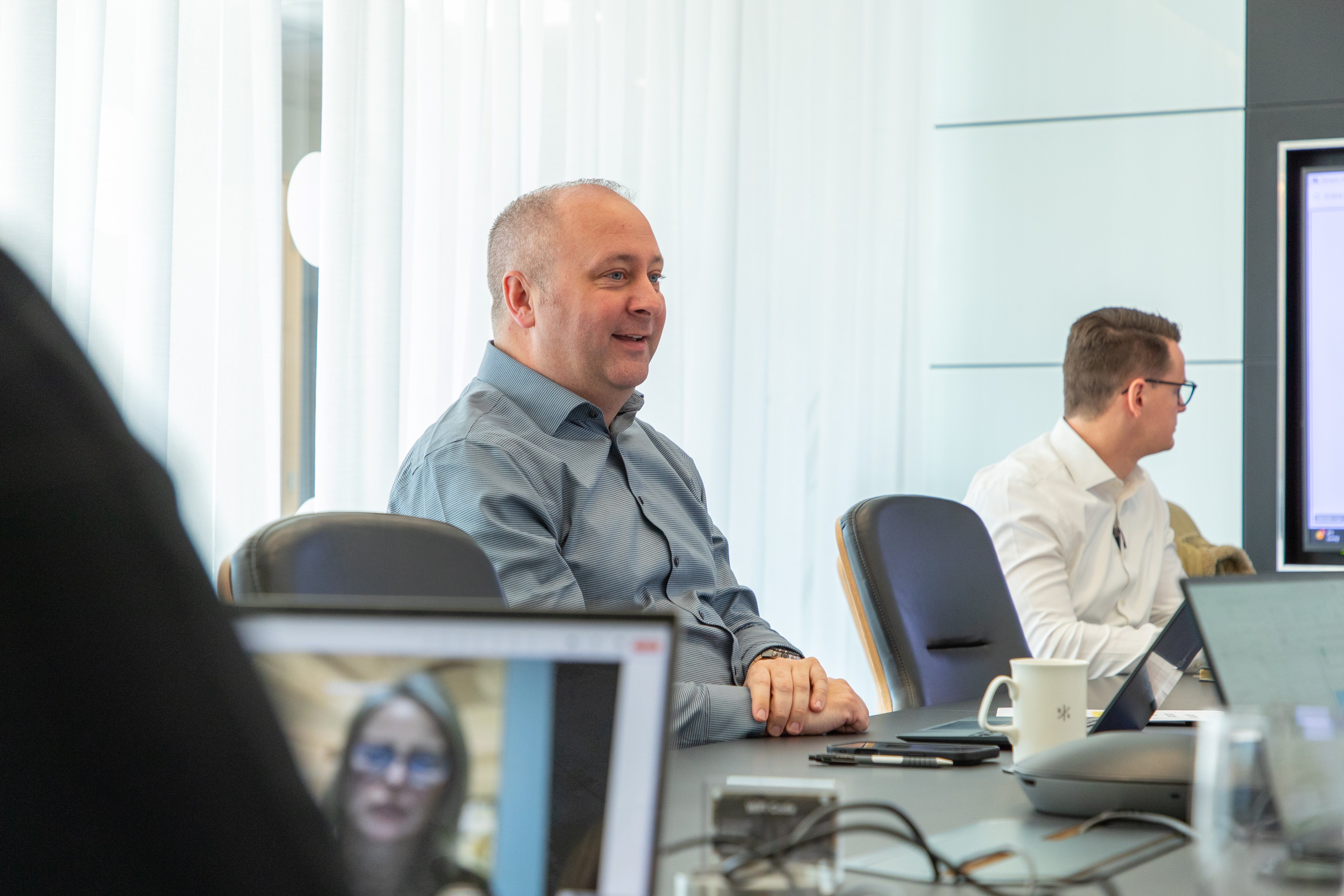
12. How can personalisation make an office feel more welcoming?
People are more likely to feel comfortable in a workplace that feels like it belongs to them. Giving employees some freedom over their workspace, whether that's through personal items, flexible furniture or a choice of where they work, can help create that sense of ownership.
The workplace should still feel cohesive, but it doesn't need to be completely uniform. A little individuality can make a space feel much more human.
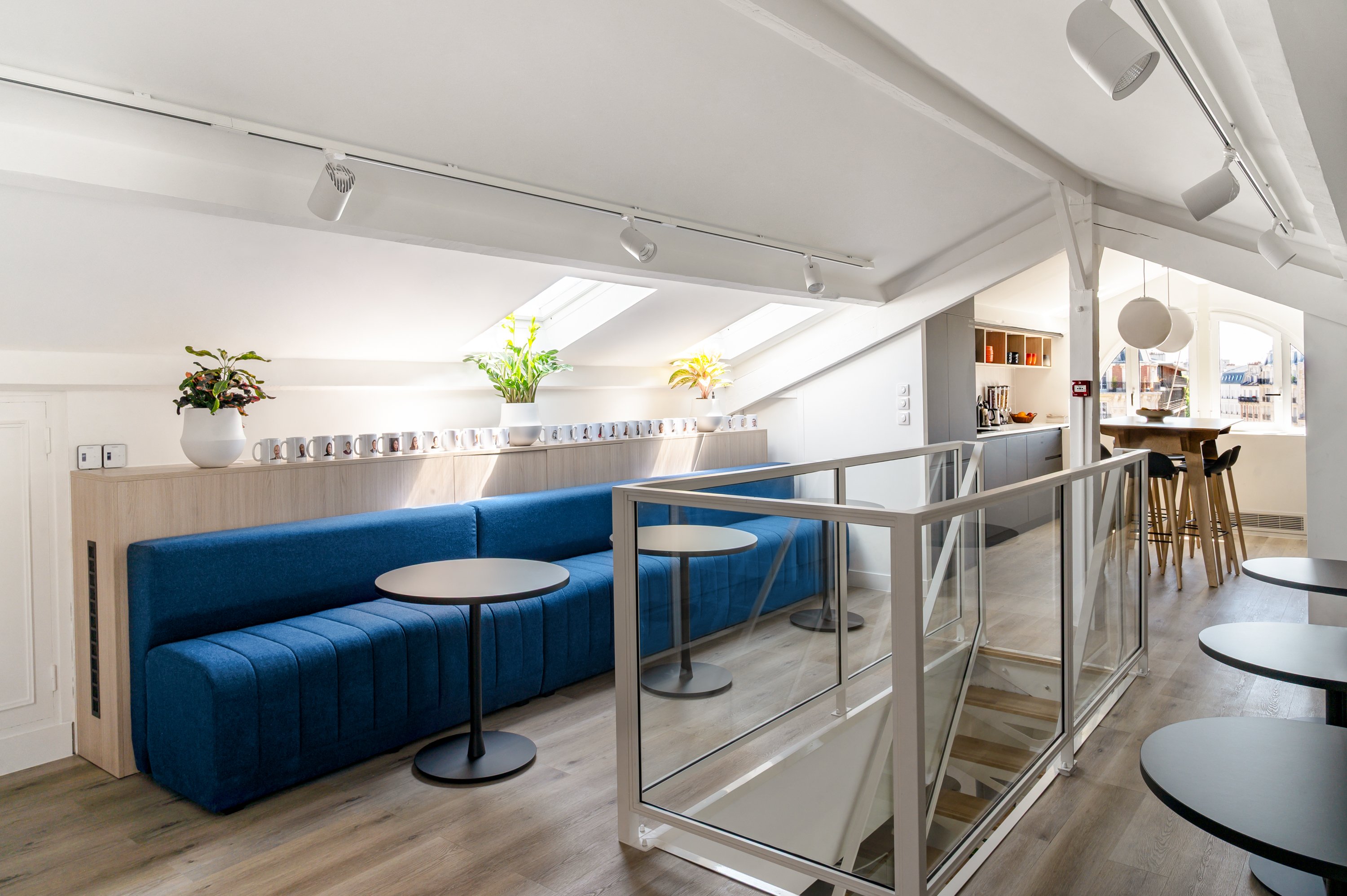
13. How can office design support employee wellbeing?
Wellbeing should be considered as part of the overall workplace, rather than added as an extra. Good lighting, comfortable temperatures, clean air, acoustic control, access to daylight and spaces to take a break can all contribute to a better working environment.
It doesn't have to mean adding a gym or dedicated wellness room. Often, the everyday details of the workplace have the biggest impact on how comfortable people feel while they're there.
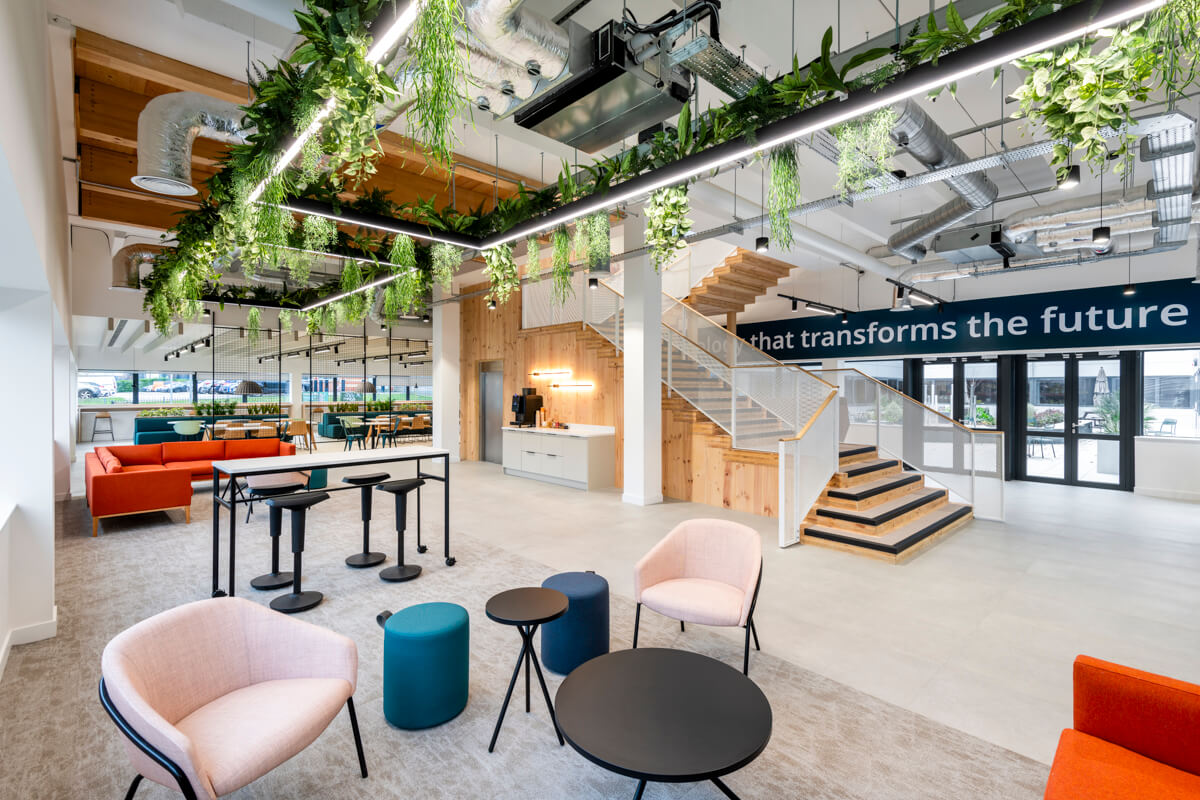
14. How can office design reflect company culture?
An office can't create a company culture on its own, but it can certainly support it. The way a workplace is laid out, how people can interact and the spaces available to them should reflect how the business wants people to work.
For some businesses, that might mean open spaces that encourage collaboration. For others, it could mean more private areas for focused work. The important thing is to design the space around the culture and working style of the organisation, rather than trying to make every office look the same.
15. How can an office create a sense of energy?
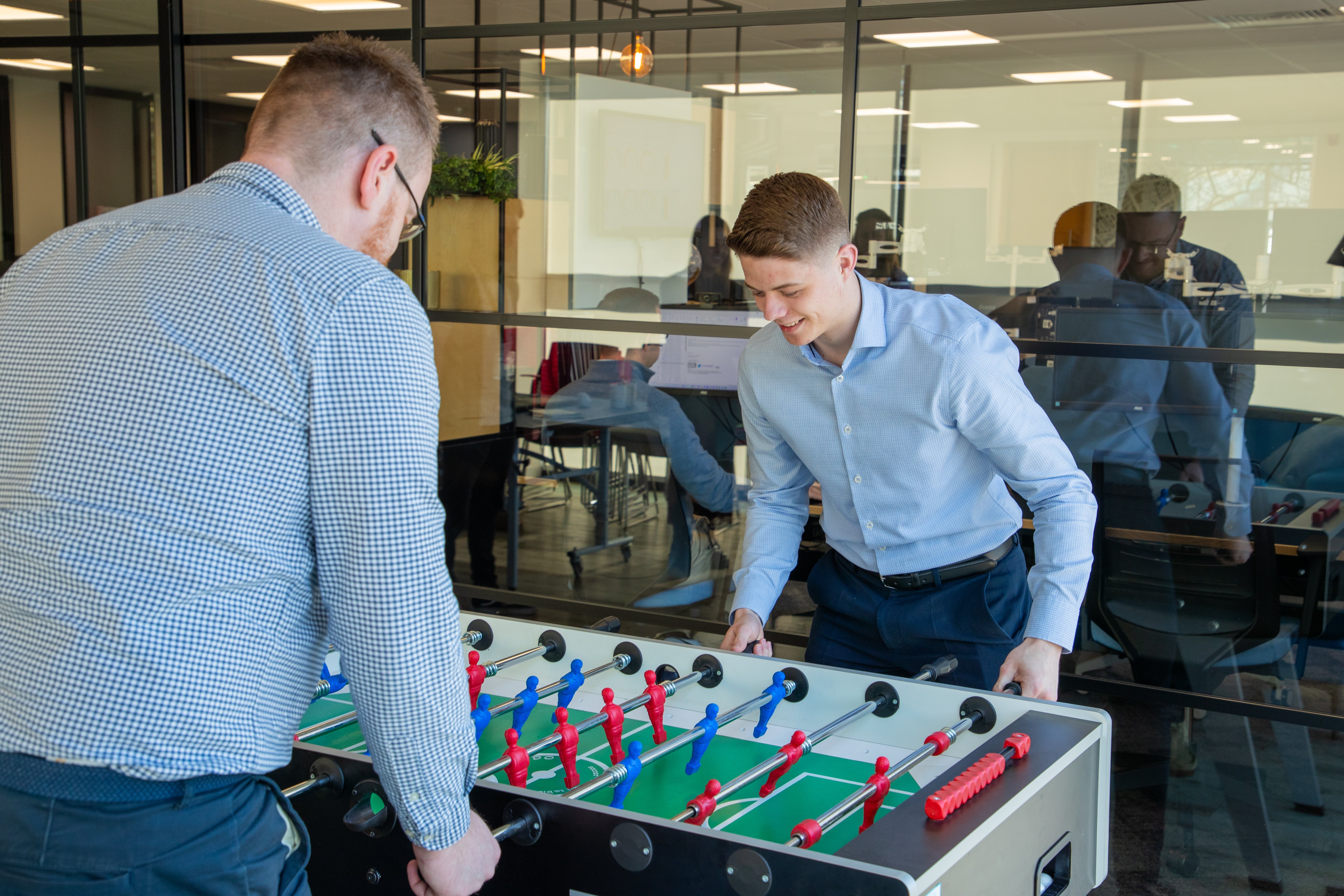
An office doesn't have to feel corporate or overly formal. Spaces that give people somewhere to socialise, celebrate, hold events or simply take a break can bring more energy into the working day.
That might be a comfortable lounge, a flexible event space or somewhere for teams to get together. The important thing is that these spaces feel useful to the people who work there, rather than being included simply because they look good.
Creating a great office environment isn't just about how the space looks. It's about understanding how people work and making sure the workplace supports them throughout the day. The best offices balance focus, collaboration, comfort and flexibility, while giving the business a space that can adapt as it changes.
FAQs about office environments
What is the most important factor in a great office environment?
There isn't one feature that makes an office great. The most important thing is whether the workplace supports the way people actually work. That means providing the right balance of spaces, comfort, technology and flexibility for the people using it.
How can you improve an office environment?
Start by finding out what's not working. Talk to employees, look at how the space is being used and identify common problems, such as a lack of quiet space, poor meeting facilities or uncomfortable workstations. You can then prioritise the changes that will make the biggest difference.
How should an office balance open-plan and quiet spaces?
An effective office gives people a choice. Open areas can support collaboration and interaction, while quiet zones, focus rooms and meeting spaces provide somewhere to concentrate or have private conversations. The right balance depends on the type of work your people do.
How can small offices create a better working environment?
Small offices don't need lots of different rooms to work well. Flexible furniture, thoughtful zoning, good storage and acoustic solutions can help one space support several activities. The key is making the most of the space available rather than trying to fit in every possible workplace feature.
How can office design support employee wellbeing?
Wellbeing is built into the everyday experience of the workplace. Good lighting, comfortable temperatures, clean air, effective acoustics, ergonomic furniture and spaces to take a proper break can all contribute to a more comfortable working environment.
Should office design follow the latest workplace trends?
Not necessarily. Workplace design should start with how your business and people actually work. Trends can provide ideas, but copying another company's office won't necessarily solve your problems. A good workplace is designed around your needs and has enough flexibility to change with them.
.png)