
 ·
4 minute read
Not quite. The 2026 data shows desk sharing is now standard practice, but the most aggressive versions of hot desking are being pulled back. Organisations are settling on gentler sharing ratios, and a growing body of employee research suggests some people and teams work better with a desk of their own.
So the real story isn't a return to one desk per person. It's a move away from pure first-come, first-served seating towards something more planned, where team neighbourhoods sit alongside assigned seats for the roles that genuinely need them.
What the 2026 numbers show about desk sharing
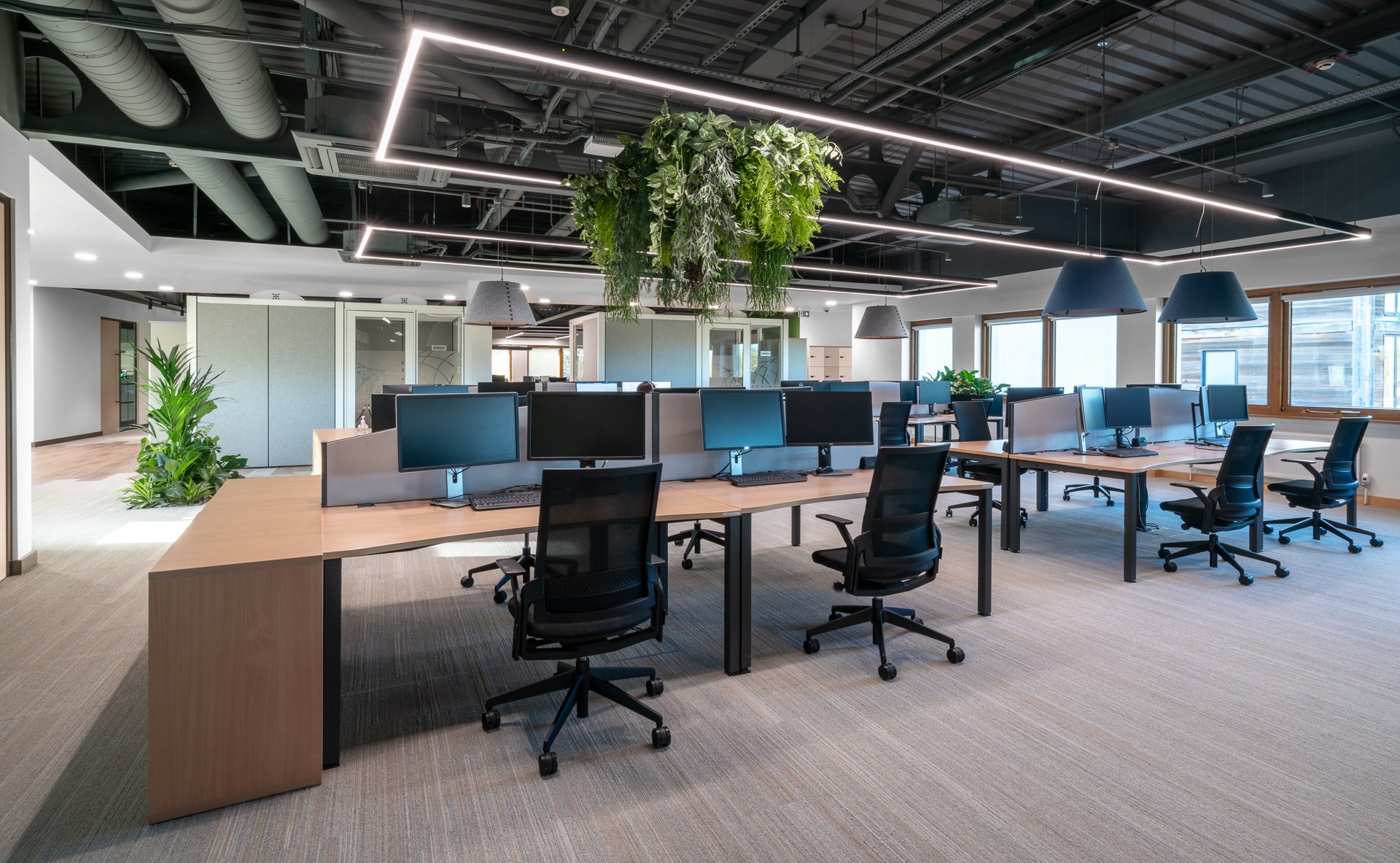
Desk sharing has become the default for larger organisations. In CBRE's 2026 benchmarking, 69% of organisations report that more than 40% of their people share desks, and not one respondent still targets a one-desk-per-person ratio.
The interesting part is how far they're sharing. Only 33% of organisations now target more than 1.5 people per desk, down from 62% in 2024. Meanwhile 48% target a ratio between 1.01 and 1.49, up from 21% two years earlier. CBRE describes this as a retreat from more aggressive sharing models.
The way those ratios get set is changing too. Most organisations now base them on job function (83%) and on space-utilisation data (78%) rather than a blanket company-wide figure. In other words, sharing is being tailored to how different teams actually work.
|
CBRE target sharing ratio |
2024 |
2026 |
|
More than 1.5 people per desk |
62% |
33% |
|
1.01 to 1.49 people per desk |
21% |
48% |
|
One desk per person (1:1) |
not reported |
0% |
What employees say: the focus and belonging gap
Gensler's 2026 Global Workplace Survey is the main reason assigned desks are back on the agenda. Nearly 60% of people working in unassigned environments say they would prefer a dedicated workspace.
The survey also found measurable differences in how people experience the office depending on their seating:
|
Gensler 2026 |
Assigned seating |
Unassigned seating |
|
Office supports focused work |
80% |
67% |
|
Feel a sense of belonging |
87% |
74% |
Gensler's own framing is worth noting. It doesn't argue for scrapping flexibility, but for a smarter balance between flexible space and the stability people need to do their best work.
There's an inclusion angle as well. Design research reported by Allwork.Space in June 2026 found neurodivergent workers overwhelmingly prefer an assigned desk, because fully unassigned floors can create anxiety and unpredictable conditions that make concentration harder.
The UK picture: more people in, not always enough desks
The UK leans harder on hot desking than most markets. Korn Ferry reports that 56% of British employees say their office runs on hot desking, against 48% globally.
At the same time, attendance is climbing. Remit Consulting's ReTurn data put average UK office attendance at around 44% in early 2026, the highest since the 2020 lockdown, with Bristol close to 69%. Many employers are also moving from informal hybrid arrangements to minimum attendance rules, and the civil service is working towards a 60% in-office mandate.
This is where hot desking starts to creak. Many offices were downsized during the pandemic on the assumption that fewer people would be in on any given day. Remit Consulting found that a fifth of workers rank a shortage of desks among their top reasons for avoiding the office. At the larger end of the market, HSBC's move to a new London headquarters was reported to risk a shortfall of up to 7,700 desks.
Research from Hassell suggests design does more than mandates to bring people back. It found that recently renovated offices lifted in-person working by 15% in the UK, while poorly executed mandates cut compliance by up to 41%.
Looking ahead to 2027
There's no 2027 data yet, only forecasts, and they point in different directions.
On one side, CBRE's 2025 research found 73% of organisations expected more than 1.5 employees per desk by 2027. CBRE's European occupier survey went further, predicting that 1 to 1.5 people-per-desk arrangements would fall from 53% to 28% within two years as space is consolidated.
On the other side, CBRE's own 2026 benchmarking shows the opposite happening in practice, with far fewer organisations now targeting ratios above 1.5. Rising attendance and the employee research above are the likely brakes.
The most reasonable reading for 2027 is continued desk sharing at moderate ratios, with more nuance by team. Expect the pure first-come, first-served model to keep losing ground to structured approaches, rather than a wholesale return to one desk each.
What this means for your office design
The choice is rarely assigned or unassigned for the whole building. The organisations getting it right mix the two, based on how each team actually works. A few practical starting points:
- Start with real usage data. Look at attendance by day and by team before setting a ratio. A ratio that suits a Tuesday-to-Thursday peak looks very different from one built on a weekly average.
- Assign desks where the work demands it. Roles that need deep focus, specialist kit or a consistent setup often benefit from a fixed desk. Some people need one for accessibility or neurodiversity reasons too.
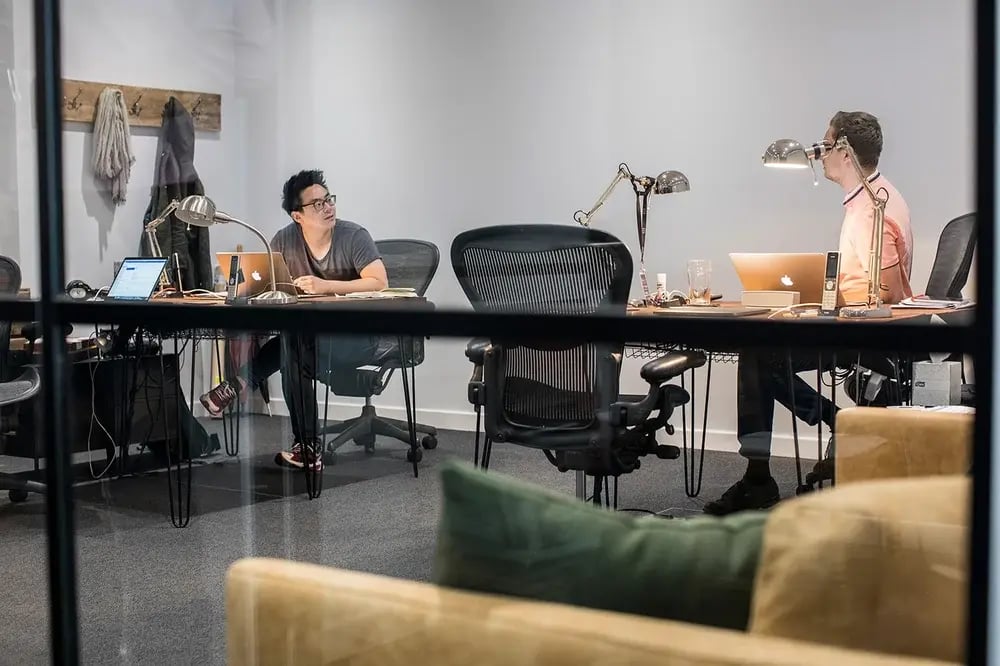
- Use neighbourhoods for everyone else. Team zones give people a predictable home base and make colleagues easy to find, without a fixed seat for every person.
- Plan for peak days, not averages. Desk shortages on busy days push people back home, which undermines the reason you asked them in.
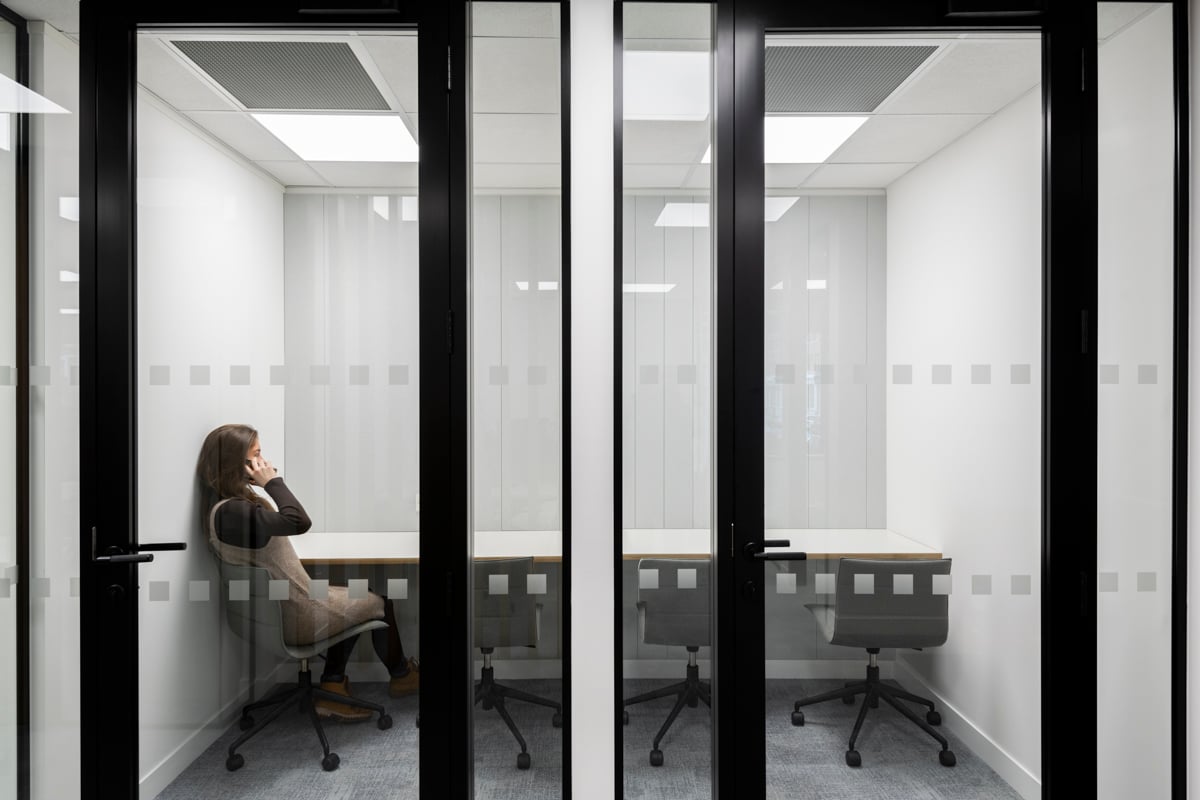
- Give people somewhere to take calls. Gensler found people in unassigned settings often end up taking video calls in corridors or cafés. Phone booths and small meeting rooms take pressure off the desks.
- Make sharing feel considered. Lockers, good storage and decent desk setups make a shared desk feel like a workspace rather than a compromise.
At Habit Action, we design workplaces around how your people work today, with room to adapt as attendance changes. If you're rethinking your desk strategy, talk to our team.
FAQs
Is hot desking declining?
Pure first-come, first-served hot desking is losing ground, but desk sharing overall is still growing. CBRE's 2026 data shows no organisations targeting one desk per person, though most now favour moderate sharing ratios.
What desk-sharing ratio do most companies use in 2026?
The most common target is between 1.01 and 1.49 people per desk, chosen by 48% of organisations in CBRE's 2026 benchmarking.
Do employees prefer assigned desks?
Many do. Gensler's 2026 survey found nearly 60% of people in unassigned environments would prefer a dedicated workspace.
How common is hot desking in the UK?
More common than the global average. Korn Ferry reports 56% of UK employees say their office uses hot desking, compared with 48% worldwide.
Should my business go back to assigned desks?
Usually not across the board. A mix of assigned desks for focus-heavy or specialist roles and team neighbourhoods for everyone else tends to keep space costs down without losing what people value about being in the office.
Sources
- Gensler: Hot-desking was supposed to save money. It may be costing you your culture (2026 Global Workplace Survey)
- Fortune: Gensler co-chair on assigned seating
- CBRE: The hybrid reality, why the office is more important than ever (2026 Workplace & Occupancy Benchmarking)
- Allwork.Space: CBRE report, 73% expect more than 1.5 employees per desk by 2027
- CBRE: Office Occupier Sentiment Survey 2025 (Europe)
- Allwork.Space: Assigned desks vs hot desking
- Korn Ferry: Hot desking, the UK's latest hot topic
- Pulse / The Guardian: UK office attendance settling at highest level since Covid (Remit Consulting ReTurn)
- WORKTECH Academy: Remit Consulting on desk shortages
- Jibble: HSBC desk shortfall
- Workplace Insight: Hassell research on mandates and design