 ·
5 minute read
·
5 minute read
The UK science and technology sector has plenty to talk about right now. Investment is picking up, new facilities are being developed and AI is changing how businesses approach research.
But are the buildings keeping up?
That was one of the questions running through Bisnow's UK Science & Technology Real Estate Annual Conference, which we attended on 7 October.
The event brought together developers, investors and industry leaders to discuss the future of UK life sciences real estate. From laboratory demand to regional growth, there was plenty of optimism about what's coming next.
There was also a recurring question about whether we're building the right spaces.
And, as seems to be the case with almost every industry conversation in 2026, AI had quite a lot to say for itself.
AI wasn't the whole agenda. But it certainly became a big part of it.
AI is already changing how science businesses work, and its influence on future property requirements was a recurring theme throughout the day.
Traditionally, laboratory developments have been designed around fairly established requirements. Businesses need specialist areas for research, alongside places for their people to work.
But what happens when AI changes the way that research is carried out?
As more research becomes data-driven, some businesses may need a different balance of laboratory and office space. Others may find themselves requiring more physical testing facilities as AI accelerates the development of new technologies.
It's not necessarily a case of needing less space. It's about needing different space.
The conference also explored the growing relationship between AI and the UK's wider infrastructure plans. More computing power means greater demands on buildings and the infrastructure supporting them.
That's quite a consideration for anyone investing in a new facility today.
A building that works perfectly well for a business in 2026 might have very different demands placed on it by 2031.
So, how much should developers invest in specialist facilities upfront, and how much room should they leave for businesses to adapt?
It's a difficult balance, particularly when the cost of getting it wrong can be significant.
The Golden Triangle is growing. And so is the competition.
London, Oxford and Cambridge have long been the UK's most established life sciences locations, and there are good reasons for that.
The universities, research institutions and established industry networks have created an environment where science businesses can thrive.
But the Golden Triangle isn't the only area with potential.
One of the most interesting presentations came from McLaughlin & Harvey, which shared findings from its new Alchemy Towns Index.
The report looks at 40 UK towns and cities to understand where future life sciences development could take place.
While London, Cambridge and Oxford remain the strongest locations, the research also highlights Stevenage, Milton Keynes, Luton and Slough as areas with considerable potential.
And the reasons go beyond simply having somewhere available to build.
Access to talent matters. So does affordable housing. Businesses need the right infrastructure and the confidence that their location can support future growth.
It's also encouraging to see the conversation moving beyond the South East, with locations such as Manchester and Bristol developing their own science and technology ecosystems.
For occupiers, this creates more choice. For developers, it means understanding what makes each location attractive rather than assuming every science business wants the same thing.
Because being close to Cambridge is helpful. Being able to recruit the right people and operate successfully is rather more important.
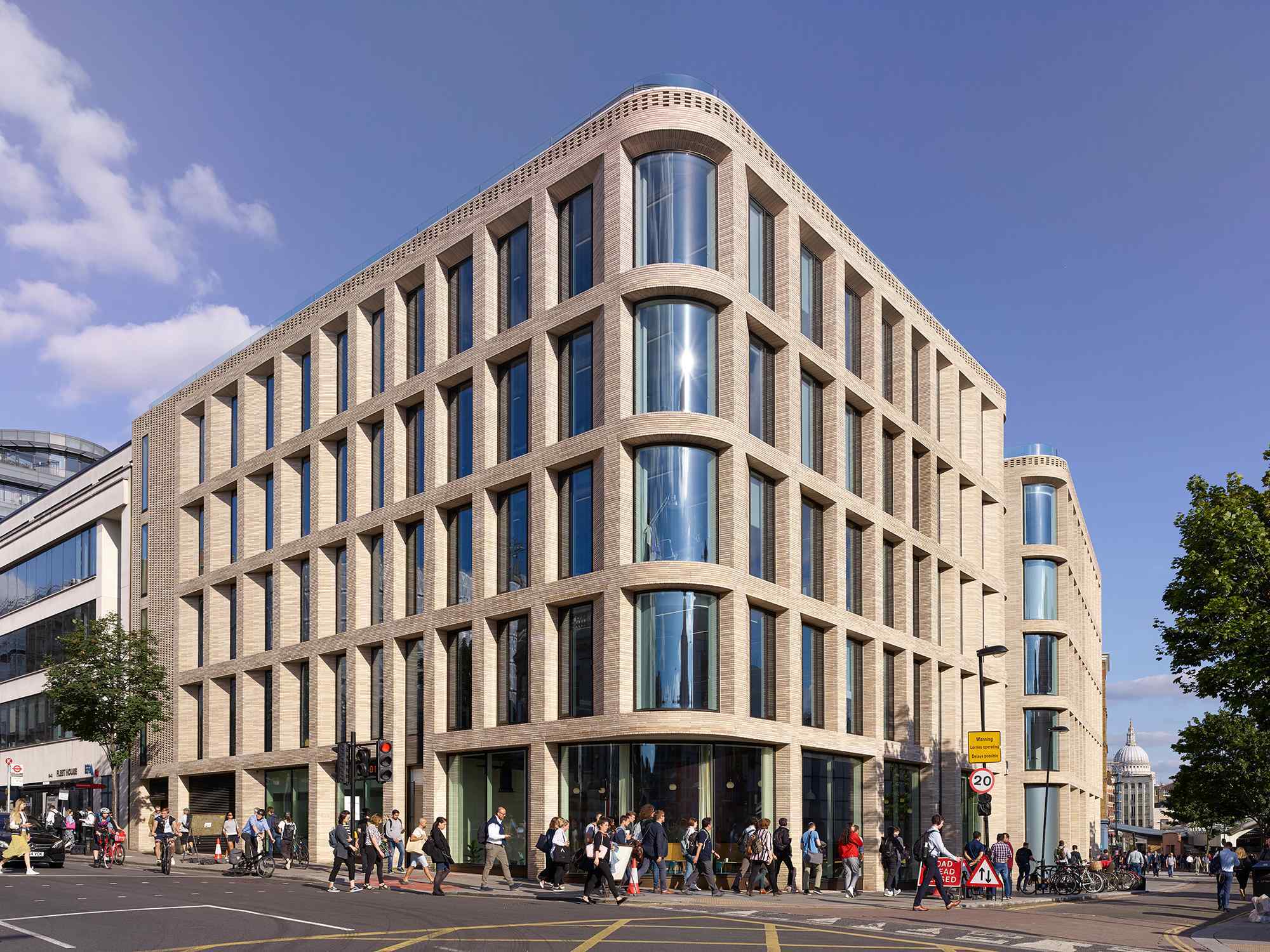
What we've seen delivering science and technical workplaces
At Habit Action, we've worked with organisations across life sciences and specialist manufacturing, including businesses operating within the Golden Triangle's wider innovation ecosystem.
And one thing has become particularly clear: two science businesses can have completely different expectations of their buildings.
Take CN Bio, a bioengineering company we've supported with a fast-track workplace project.
The brief involved bringing together professional office environments with the technical spaces needed for the business to operate effectively.
CN Bio's feedback captured the importance of getting both sides right:
“The Offices have been finished to a highly commercial standard, and the technical areas are entirely fit for purpose.”
It's a simple observation, but an important one. The workplace still needs to work for the people using it, regardless of how specialised the science might be.
We've also delivered facilities for Clarity Pharmaceuticals, supporting a business operating in the pharmaceutical engineering sector, alongside work for Origin Pharmaceuticals and Unchained Labs.
Each organisation had its own requirements. That's why understanding the business before designing the building makes such a difference.
At the Institute of Cancer Research in London, our project focused on improving the workplace experience through the refurbishment of reception, collaboration and support spaces.
Here, the priority wasn't simply accommodating specialist operations. It was creating an environment that better supported the people behind the research.
-1.jpeg?width=1840&height=1228&name=Accent%200749%20(1)-1.jpeg)
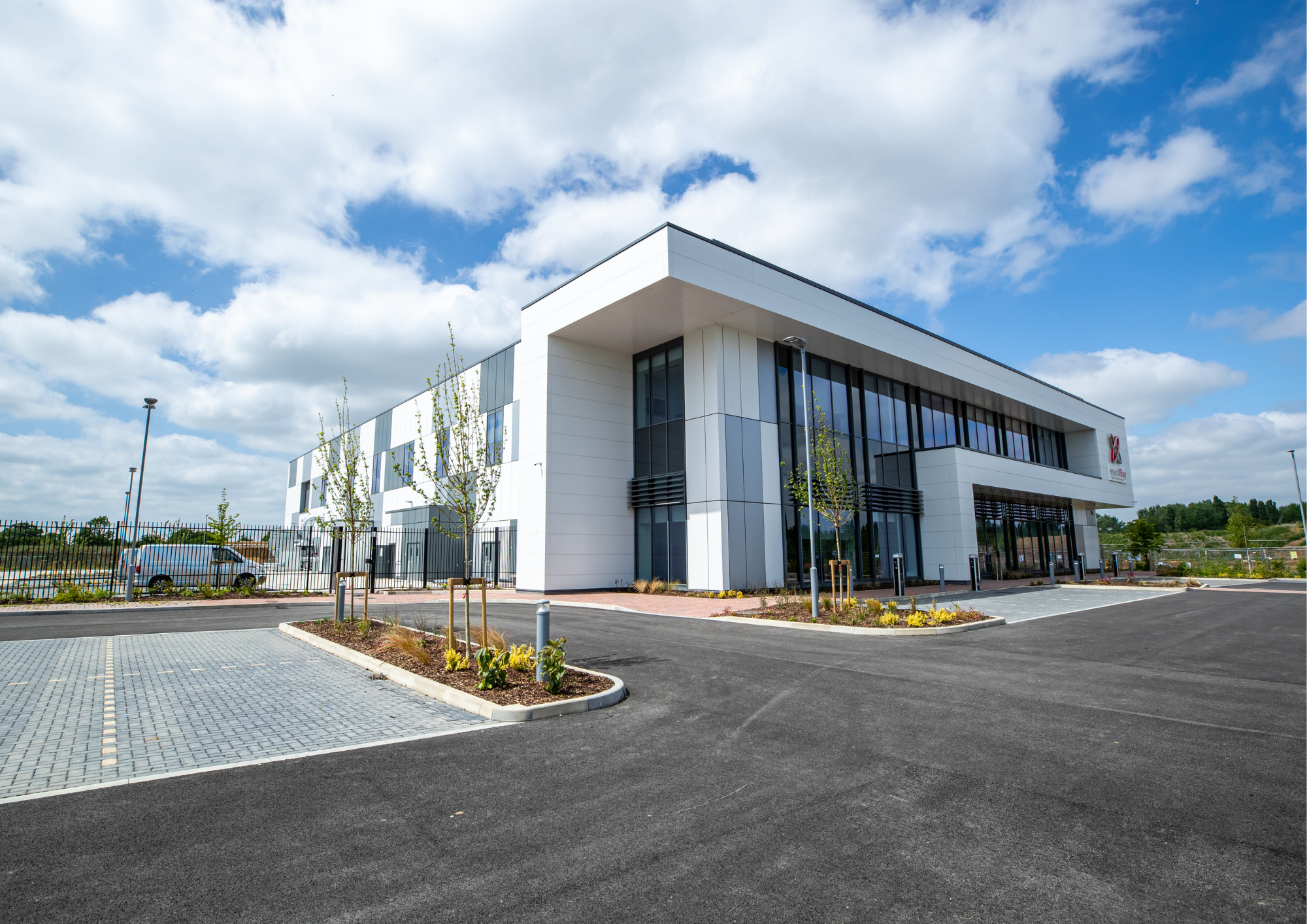
And then there's Essex X-Ray.
For its new 59,000 sq ft headquarters, we delivered a facility that brought offices and specialist manufacturing operations together.
The project needed to support the company's existing activities while creating opportunities for future growth.
It's also a useful example of where the boundaries between science and advanced manufacturing begin to disappear.
These projects may serve different purposes, but they demonstrate something we see repeatedly: the most successful facilities start with an understanding of what the organisation needs to achieve. Not just how many square feet it needs.
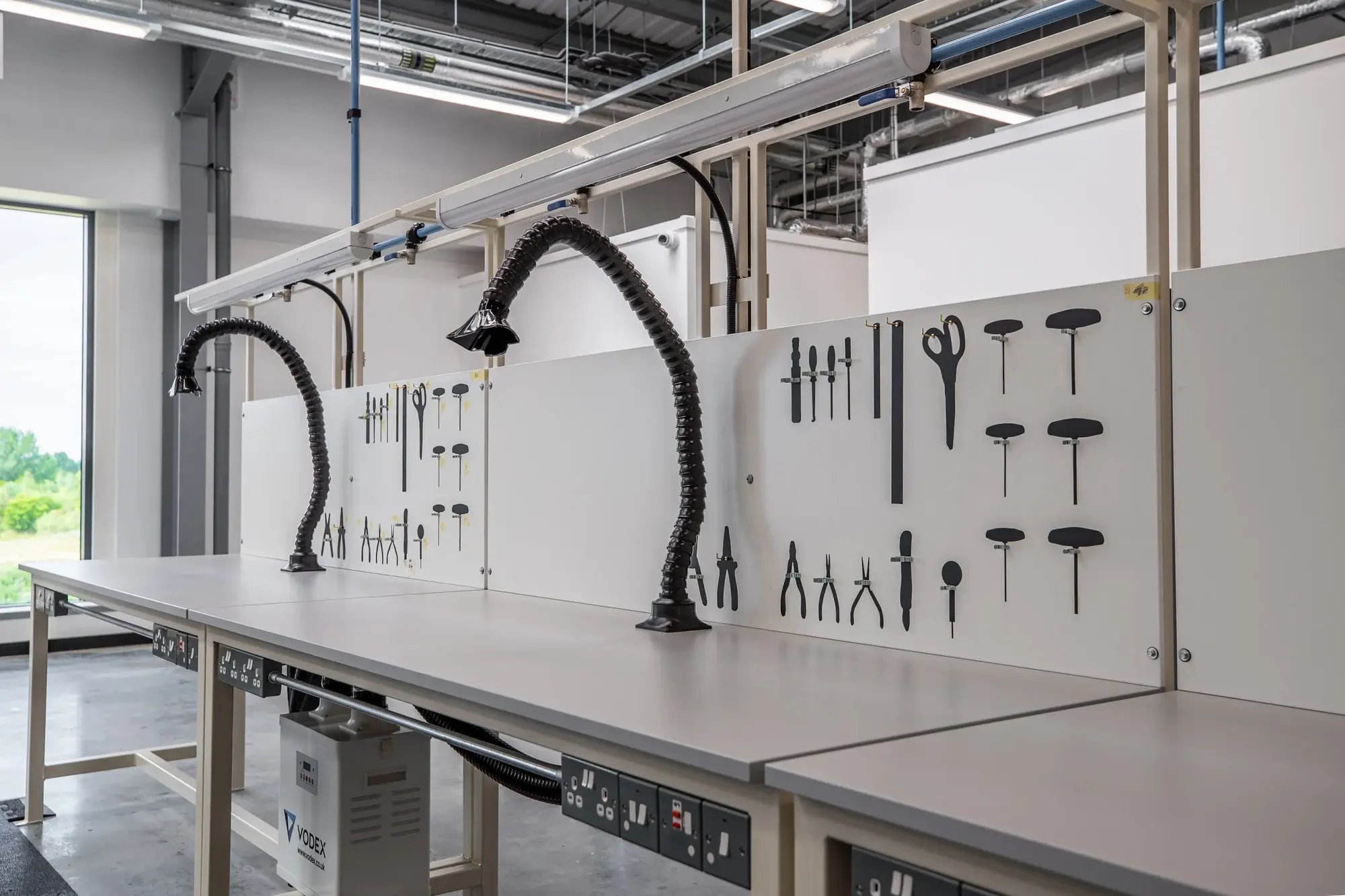
Science and advanced manufacturing are getting closer
Interestingly, defence wasn't the headline topic at the conference, but it found its way into the wider conversations. And it's not difficult to understand why.
Scientific research plays an increasingly important role in advanced manufacturing and defence, with developments in AI and robotics influencing how products are designed and manufactured.
This creates opportunities for businesses that want to bring research and production closer together.
Rather than operating from several disconnected sites, organisations may benefit from facilities where their teams can develop ideas and turn them into working products under one roof.
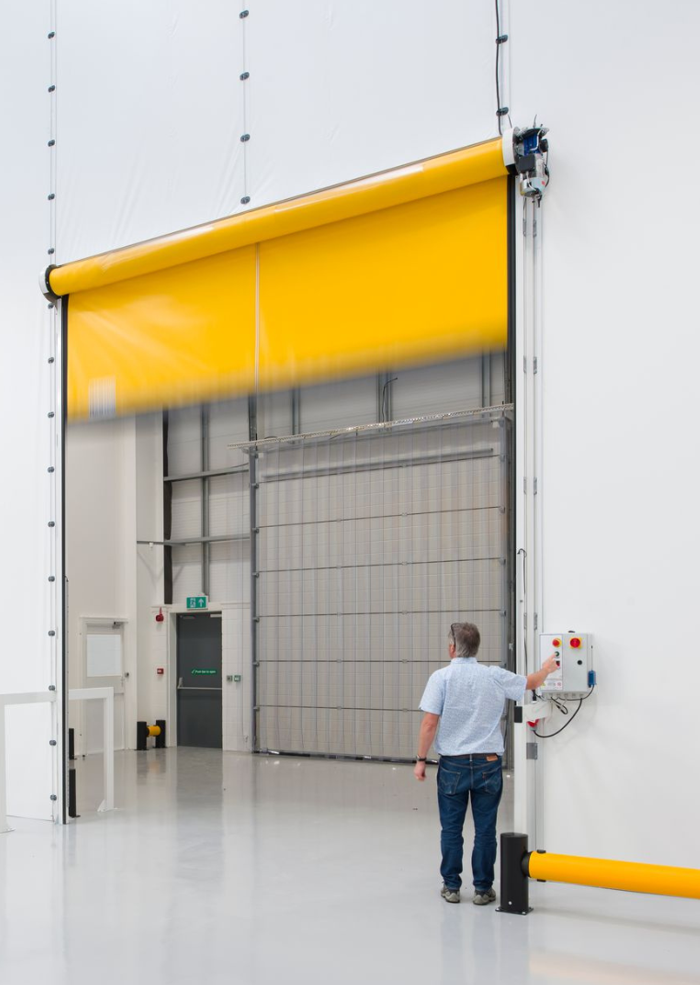
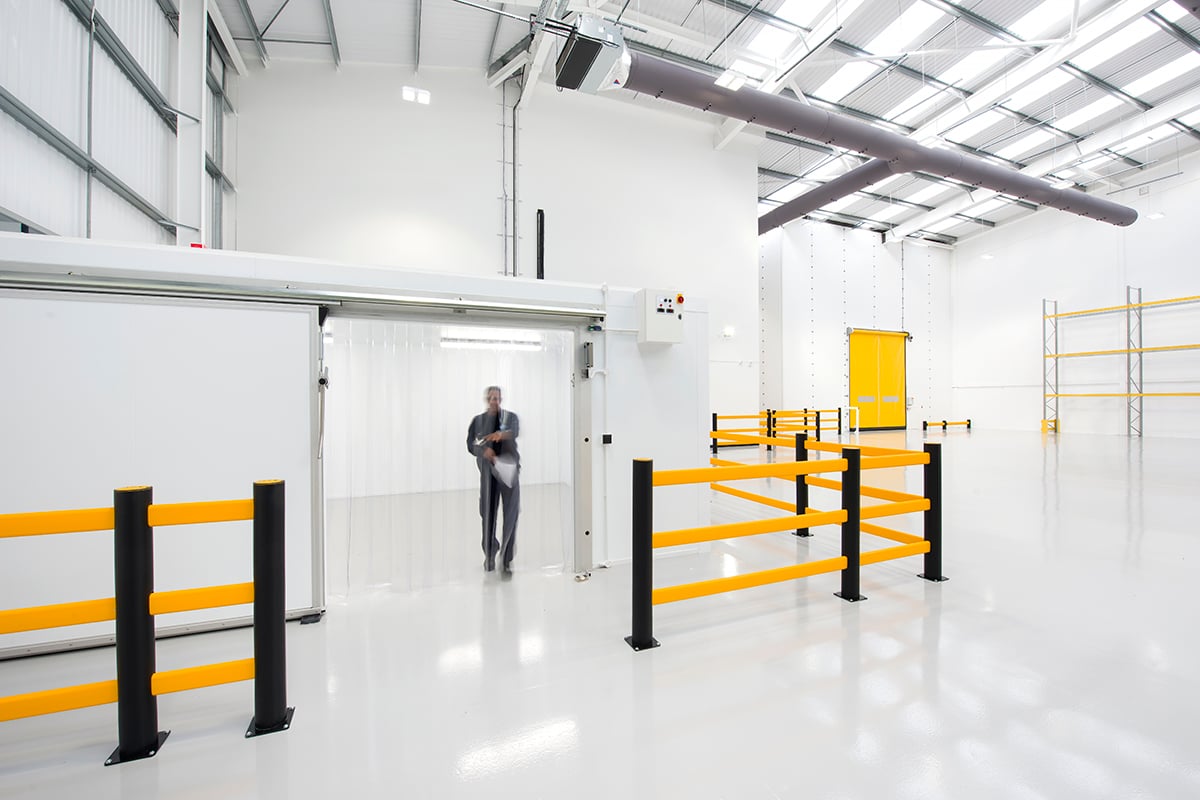
We've seen the value of this approach through projects such as Essex X-Ray, as well as our work with advanced manufacturing businesses including Isembard.
But combining different operations within one building takes careful planning. What works for an office team might not work for a production environment.
And what works today might need to change considerably as the business develops.
Which brings us back to one of the biggest questions from the conference.
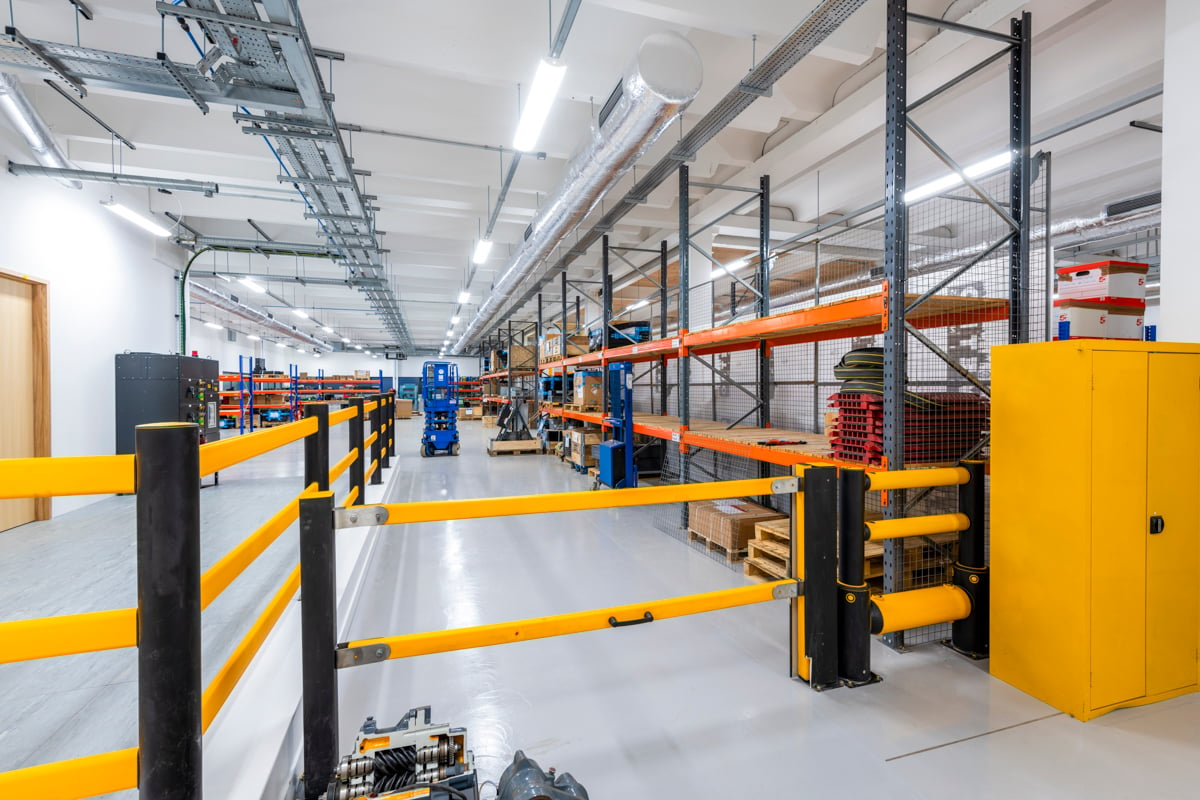
Are we building for today's businesses or tomorrow's business?
There's considerable momentum behind the UK science and technology sector.
The UK government's Life Sciences Sector Plan sets out ambitions for greater investment and innovation, while the BioIndustry Association reported £552 million in UK biotech equity financing during Q1 2026.
Meanwhile, approximately 3.7 million sq ft of laboratory and innovation space is under construction across London, Oxford and Cambridge, according to figures highlighted by Bisnow.
There's certainly no shortage of ambition.
But the conversations at Bisnow reinforced that building more space isn't necessarily the answer on its own.
Businesses are changing, and their workplaces need to be capable of changing with them.
That doesn't mean every building needs to anticipate every possible technological development. Nobody has a crystal ball, and installing expensive infrastructure for a future that might never arrive isn't exactly sensible.
It does mean asking better questions at the start.
How might the business grow? What could change in the way it operates? And will the building help or hinder that growth?
For developers, it's about creating places that remain attractive to occupiers. For businesses, it's about making decisions that support their long-term ambitions without spending unnecessarily today.
Our biggest takeaway? The future of science real estate isn't just about creating more laboratories. It's about creating better environments for the businesses that will use them.
And if the discussions at Bisnow are anything to go by, those businesses are going to look quite different over the next decade.
At Habit Action, we work with life sciences and advanced manufacturing organisations to design and deliver facilities around how their businesses actually operate.
Whether you're considering a new headquarters or looking to make better use of an existing facility, we'd be happy to talk about what's next.