 ·
7 minute read
·
7 minute read
For years, office perks meant free lunches, pool tables, coffee machines and, for some reason, an impressive number of beer fridges.
Nice? Yes.
The reason someone gets on a train at 7:30am? Probably not.
The office is competing with much more than the office down the road. It's competing with home, coworking spaces, cafés and anywhere else people can reasonably get their work done.
And when people have experienced the flexibility and comfort of working elsewhere, offering them free coffee isn't necessarily going to convince them that the commute is worthwhile.
So perhaps it's time to rethink what an office perk actually is.
The most valuable workplace perks aren't necessarily the things organisations give employees. They're the things that make working easier, more comfortable and more worthwhile.
And sometimes, the biggest perk is simply a really good office.
What do employees actually want from the office?
There isn't one answer, which is partly why this conversation is so interesting.
Some people want somewhere quiet to concentrate. Others come in specifically to spend time with their colleagues. Some need access to technology or facilities they don't have at home, while others simply want an environment where they can work without interruption.
Even within the same organisation, those priorities can look quite different.
An employee who spends most of their day in confidential conversations will have a different idea of a good workplace from someone who regularly runs collaborative workshops.
Yet workplaces are still sometimes designed around a fairly standard collection of amenities, with the assumption that providing enough attractive spaces will improve the employee experience.
It isn't necessarily that straightforward.
Employee surveys can tell you what people say they want, but it's worth comparing those responses with how they actually use the office.
Are the collaboration areas busy? Are quiet rooms constantly occupied? Do employees have to book a meeting room just to make a phone call? And are those expensive social spaces being used for anything other than the occasional company event?
We've explored this difference between stated preferences and actual behaviour in What Employees Say They Want – and What Their Behaviour Tells Us Instead.
The aim isn't to provide every amenity someone requests. It's to understand what makes being in the office valuable in the first place.
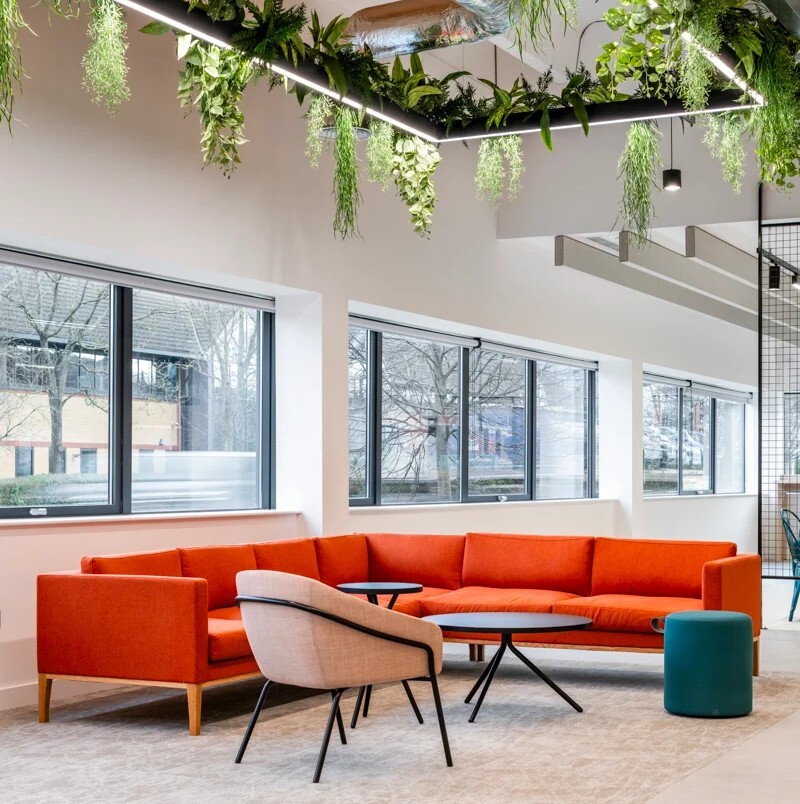
Perhaps being able to concentrate should count as a perk
Possibly the least glamorous office perk. Possibly the most important.
If you've ever tried to concentrate on a complicated piece of work while somebody takes a Teams call two desks away, you'll understand why.
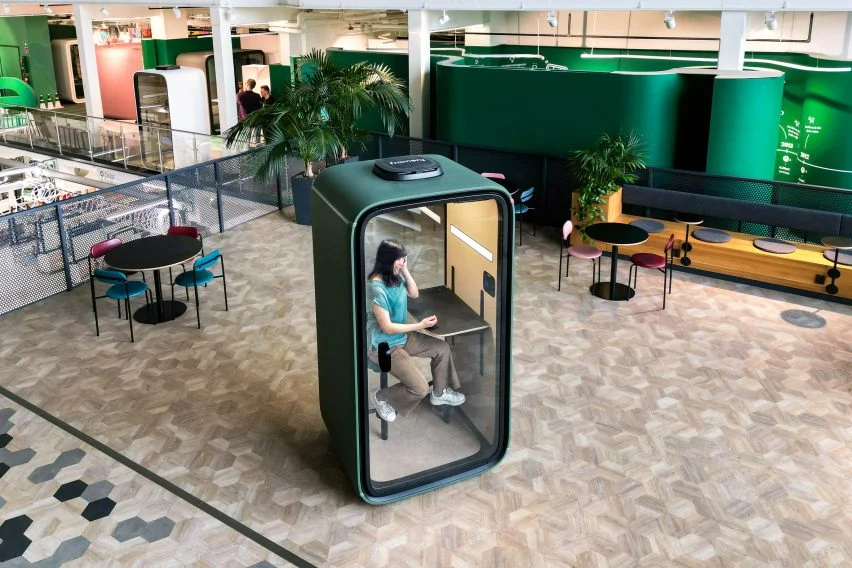
People need somewhere to focus, collaborate, hold confidential conversations and simply get on with their day.
That doesn't mean filling an office with individual cubicles. It means providing enough variety for people to choose an environment that suits what they're doing.
Sometimes that's an open collaborative space. Sometimes it's a meeting room. Sometimes it's a quiet corner where nobody is going to interrupt you for half an hour.
The difficulty comes when the workplace looks fantastic but doesn't support those everyday activities.
We've all seen offices with beautifully designed social areas alongside permanently booked meeting rooms, nowhere quiet to take a call and an ongoing battle for the one decent focus space.
Which raises a fairly obvious question: shouldn't getting the basics right come before adding the nice-to-haves?
Comfort, wellbeing and the things we barely notice
We have nothing against an office slide. We just probably wouldn't install one before fixing the acoustics.
It's easy to focus on the visible features of a workplace. The impressive reception, the statement furniture, the carefully designed breakout area.
But some of the most important aspects of workplace experience are the things people barely notice when they're working properly.
Good lighting, comfortable temperatures, fresh air, acoustic control and furniture that supports people throughout the day.
They're not particularly exciting additions to a recruitment brochure, but they can make an enormous difference to how comfortable and usable a workplace feels.
Wellbeing is also about having some control over your environment.
Someone who needs a quiet space shouldn't have to spend twenty minutes looking for one. Employees should be able to take a proper break away from their desks, and different working styles should be accommodated without making certain people feel that they're working against the building.
This doesn't mean every workplace needs a meditation room or a fully equipped gym.
For some organisations, improving ventilation, providing better acoustic separation or introducing more comfortable breakout spaces could be considerably more valuable.
We explored the wider role of healthy buildings in our Designed to Work podcast conversation with AirRated CEO Francesca Brady, discussing why indoor air quality and long-term building performance deserve more attention.
Because an office that looks impressive but leaves people uncomfortable by mid-afternoon hasn't really got the employee experience right.
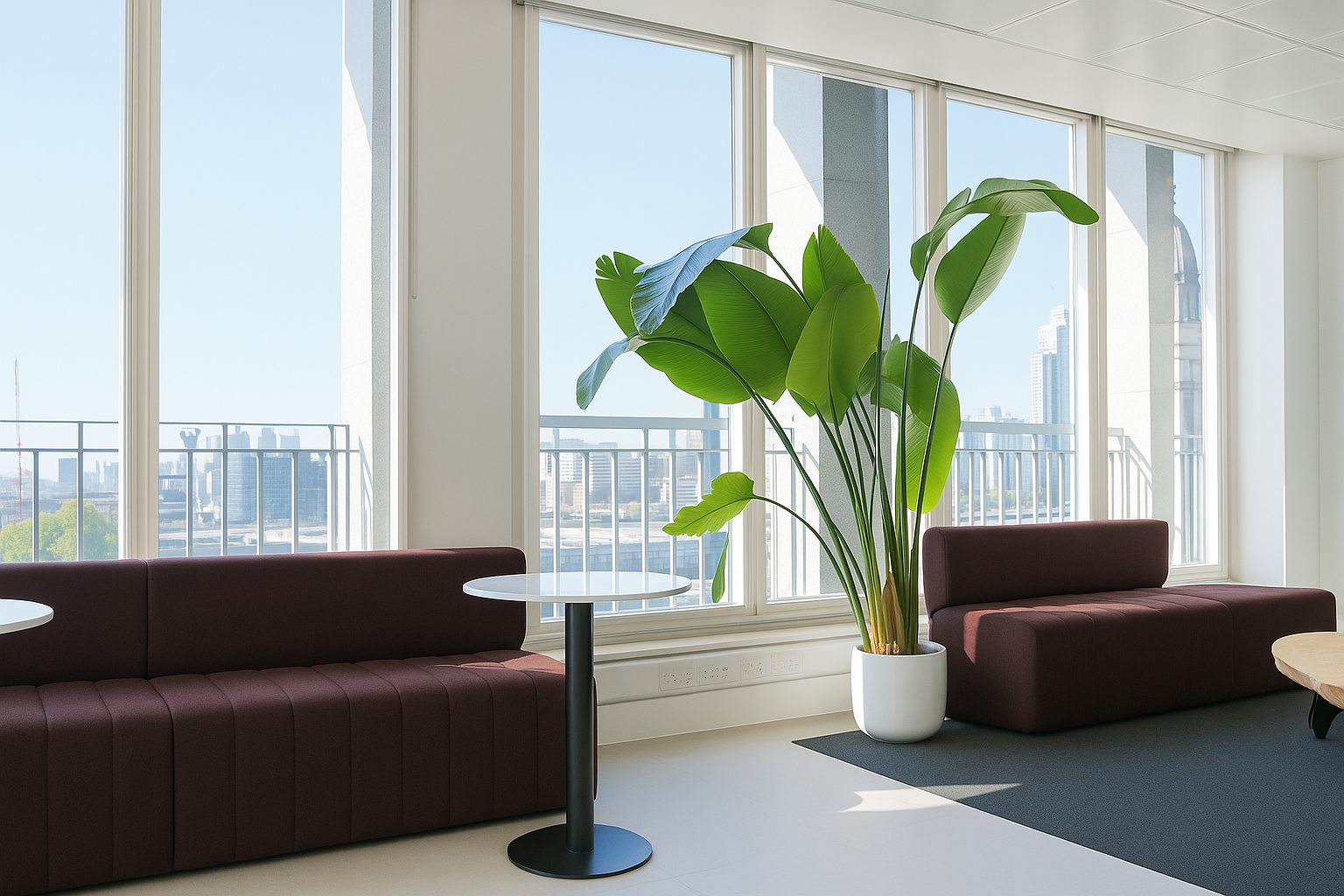
Work-life balance isn't just about working from home
One of the arguments for office working is that it creates a clearer separation between professional and personal life.
And for some people, that's absolutely true.
Having somewhere distinct from home can help establish a routine, provide social interaction and make it easier to switch off at the end of the working day.
But it would be a mistake to assume everyone experiences that in the same way.
For someone with a long commute or significant responsibilities outside work, spending additional time travelling might make the working day considerably more difficult.
That doesn't mean the office has no value to them. It means the value needs to justify the effort involved in getting there.
A good workplace strategy recognises those differences rather than trying to solve attendance through amenities alone.
There will be days when people benefit enormously from being together, perhaps for team planning, mentoring, client meetings or solving a particularly difficult problem.
And there will be other days when quiet, independent work might be completed just as effectively elsewhere.
Perhaps the more useful question isn't how to make everybody spend more time in the office.
It's how to make the time they do spend there genuinely worthwhile.
People are still one of the biggest reasons to come in
The office has one major advantage over working from the spare bedroom.
Other people are there.
That might sound obvious, but it's something worth remembering when we're discussing the future of workplace design.
People come into offices to share ideas, solve problems, learn from colleagues, meet clients and feel part of something beyond their own workload.
For newer employees, informal conversations and the opportunity to observe experienced colleagues can be particularly valuable.
And as technology becomes more embedded in our working lives, those human interactions may become an even more important part of what the physical workplace offers.
On Designed to Work, Lewis Barker, Director of Workplace Services and Real Estate at ServiceNow, discussed the importance of workplaces providing genuine value rather than relying on employees simply being expected to attend.
It changes the design conversation.
Instead of asking how to get people back into the office, perhaps we should be asking what becomes better when people are together.
Then design around that.
That might mean creating more useful team neighbourhoods, making space for spontaneous conversations or providing areas where larger groups can work together without disturbing everybody else.
The point isn't that every interaction needs to happen in person. It's recognising where being together genuinely improves the experience or outcome.
Less friction might be the best perk of all
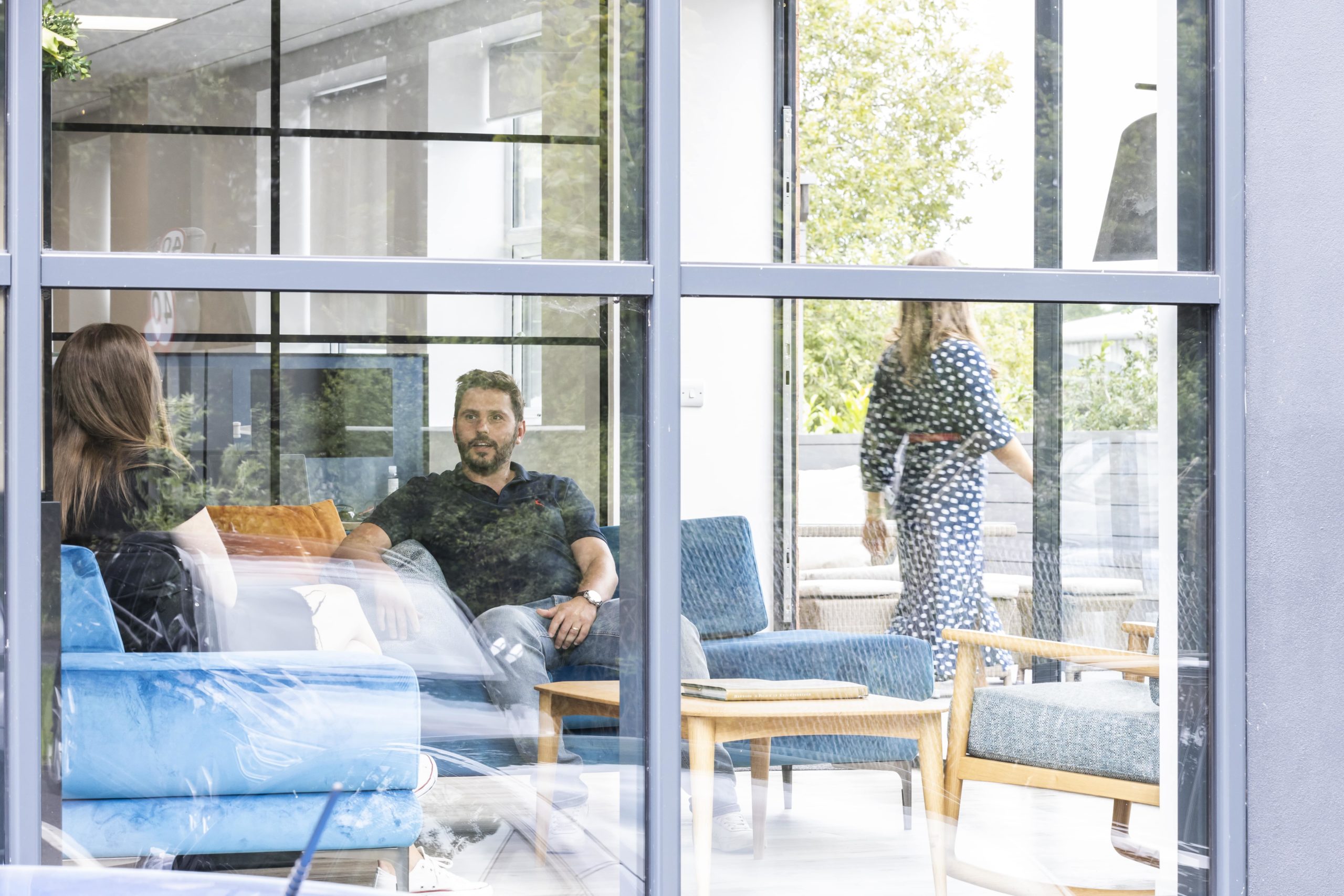
Can I find a room? Will the screen connect? Where can I take this call? Is there somewhere quiet? Why is it freezing?
If people spend half their day solving problems created by the workplace, the free coffee is doing a lot of heavy lifting.
One of the recurring themes throughout Designed to Work has been the importance of removing unnecessary friction.
In our conversation with Mike Walley, he shared an example of employees who continued holding informal meetings at their desks, even though meeting rooms had been provided elsewhere in the building.
Why?
Because it was easier.
People generally follow the path of least resistance. And if an organisation wants employees to use spaces differently, it needs to understand what makes those spaces convenient or inconvenient in the first place.
A room-booking system that's unnecessarily complicated, technology that rarely connects properly or a layout that makes people walk across the entire building for a quick conversation can all create frustration.
None of these things is particularly dramatic on its own.
But when they happen repeatedly, they shape how people feel about the workplace.
Sometimes improving the employee experience isn't about introducing something new. It's about removing the everyday annoyances that shouldn't have been there in the first place.
An office should feel like the organisation it belongs to
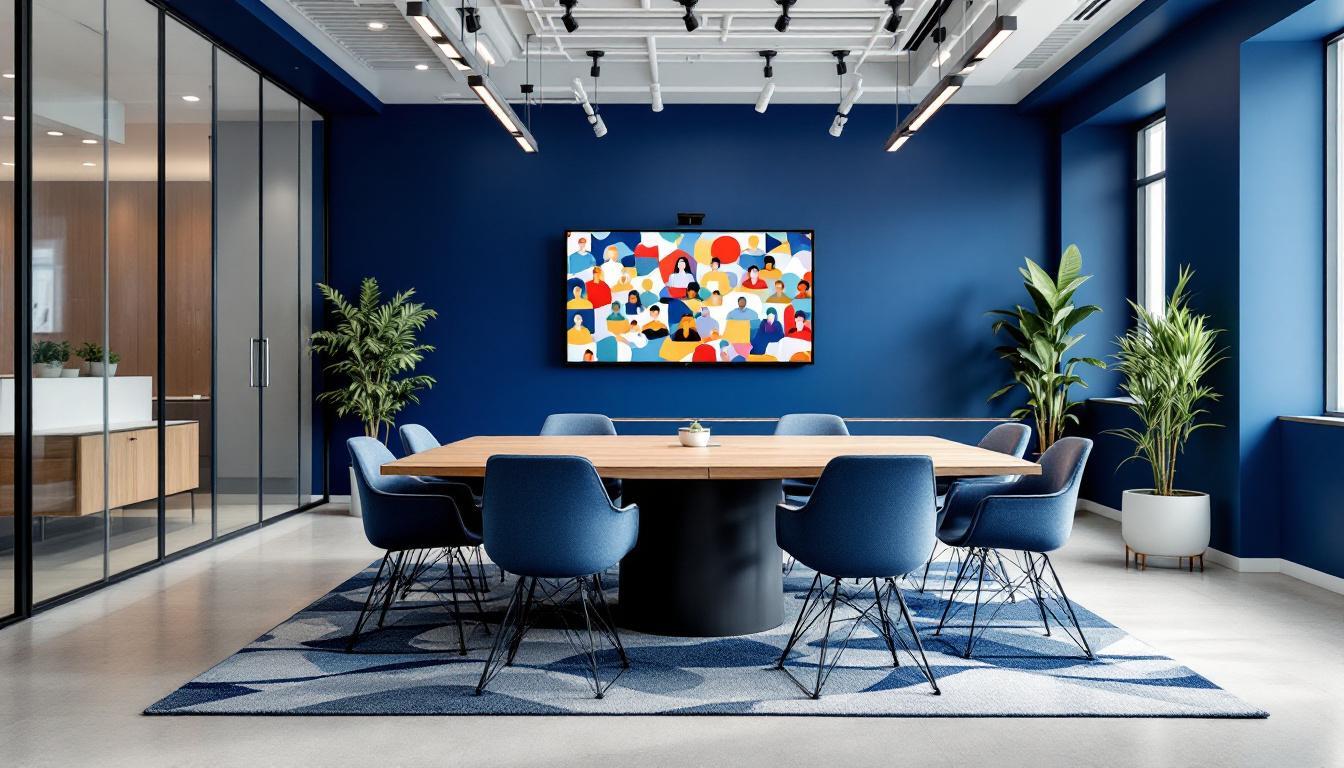
A good workplace shouldn't feel as though it could belong to absolutely any company.
That doesn't mean covering every wall in logos or installing something unusual simply to make the space memorable.
It means creating an environment that reflects how the organisation works, how people interact and what the business values.
A company built around collaboration might benefit from spaces that make sharing ideas feel natural. An organisation dealing with confidential information will have different priorities. And a business bringing several divisions together might need to think carefully about how the workplace helps people feel part of the same organisation.
These decisions have a much greater influence on the employee experience than a collection of fashionable design features.
But culture can't simply be installed alongside the carpet tiles.
The workplace can support how people behave, interact and collaborate. It can't manufacture those behaviours on its own.
How do you know whether your workplace is actually working?
This is something I'd like to see organisations spend more time thinking about.
If a business invests in a new office gym, café or social area, it's relatively easy to point to the new facility and say the employee experience has improved.
But has it?
Are employees using it? Has it addressed something they actually needed? Or would that investment have made a greater difference somewhere else?
It's worth measuring how the workplace performs, rather than relying entirely on how it looks or what people say they like.
Employee feedback is one part of that, but so are utilisation patterns, meeting-room demand, recurring complaints and how effectively different spaces support their intended activities.
You might find that a relatively modest change to a quiet working area has a greater impact on everyday satisfaction than a much more expensive amenity.
Or that employees value the workplace's social spaces, but only when they're close enough to the teams using them.
This is where workplace strategy becomes an ongoing process rather than something completed before the office opens.
People's requirements change, and workplaces should be able to adapt.
The most useful measure of a successful perk isn't necessarily how many people mention it in a survey.
It's whether it makes a meaningful difference to their working day.
Maybe the best office perk is simply a really good office
None of this means traditional perks don't have a place.
People still appreciate good coffee, decent food, social events and facilities that make the working day more enjoyable.
There's nothing wrong with offering those things.
But they shouldn't be expected to compensate for a workplace that makes everyday work harder.
The office has a valuable role to play in helping people connect, learn, collaborate and feel part of an organisation. It can also provide environments, facilities and experiences that are difficult to replicate at home.
But those benefits aren't automatic.
They come from understanding what people actually need, recognising what makes the workplace worth visiting and designing around those requirements.
At Habit Action, we believe a great workplace should make the working day easier, not give employees more things to work around.
Perhaps the conversation about office perks needs to move away from what we're giving people and towards what we're helping them do.
Free coffee is still welcome, obviously.
.png?width=1920&height=1080&name=Podcast%20Thumbnails%20(9).png)
Hear more on Designed to Work
These are exactly the kinds of questions we explore on Designed to Work, Habit Action's podcast about what makes workplaces actually work.
From employee experience and workplace technology to culture, air quality, behaviour and the future of the office, we speak to the people making the decisions and challenging some of the assumptions the industry has carried for years.